Wood, Paint, Fabrics, Flooring & Structural Components
Humidity is one of the most influential environmental forces acting on a home’s materials. While homeowners often focus on comfort—dry air in winter, muggy air in summer—the impact of humidity extends far beyond how the air feels. Moisture in the air directly affects the structural stability, longevity, and appearance of nearly every material inside a home: wood, drywall, paint, caulking, flooring, textiles, insulation, adhesives, and even metals. Homes naturally expand, contract, swell, shrink, crack, warp, or deteriorate depending on how humidity fluctuates. Understanding how humidity interacts with building materials is essential for preventing long-term damage and maintaining healthy indoor environments.
Humidity represents the concentration of water vapor suspended in the air. When relative humidity rises above 60%, building materials begin absorbing moisture. When humidity falls below 30%, materials dry out excessively and lose flexibility. Most homes are designed to operate best between 30–50% humidity, and deviations from this range—whether seasonal or constant—place stress on materials. The reason is simple: almost all building components are hygroscopic, meaning they absorb and release moisture. Wood is highly hygroscopic, drywall is moderately so, and even concrete contains pores that take in and release moisture. As humidity rises and falls, materials expand and contract, leading to cracks, warping, buckling, peeling, and accelerated wear.
Wood is especially sensitive to humidity because it absorbs moisture from the air until reaching equilibrium with the environment. When humidity rises, wood swells; when humidity drops, wood shrinks. This affects floors, cabinets, furniture, window frames, door frames, baseboards, and structural components. Hardwood floors may cup, crown, or gap depending on humidity patterns. Cabinet doors may stick during humid seasons and loosen in dry seasons. Structural wood components can warp, affecting alignment and stability. Repeated humidity cycling accelerates long-term wood fatigue and contributes to gaps, squeaks, and misalignments.
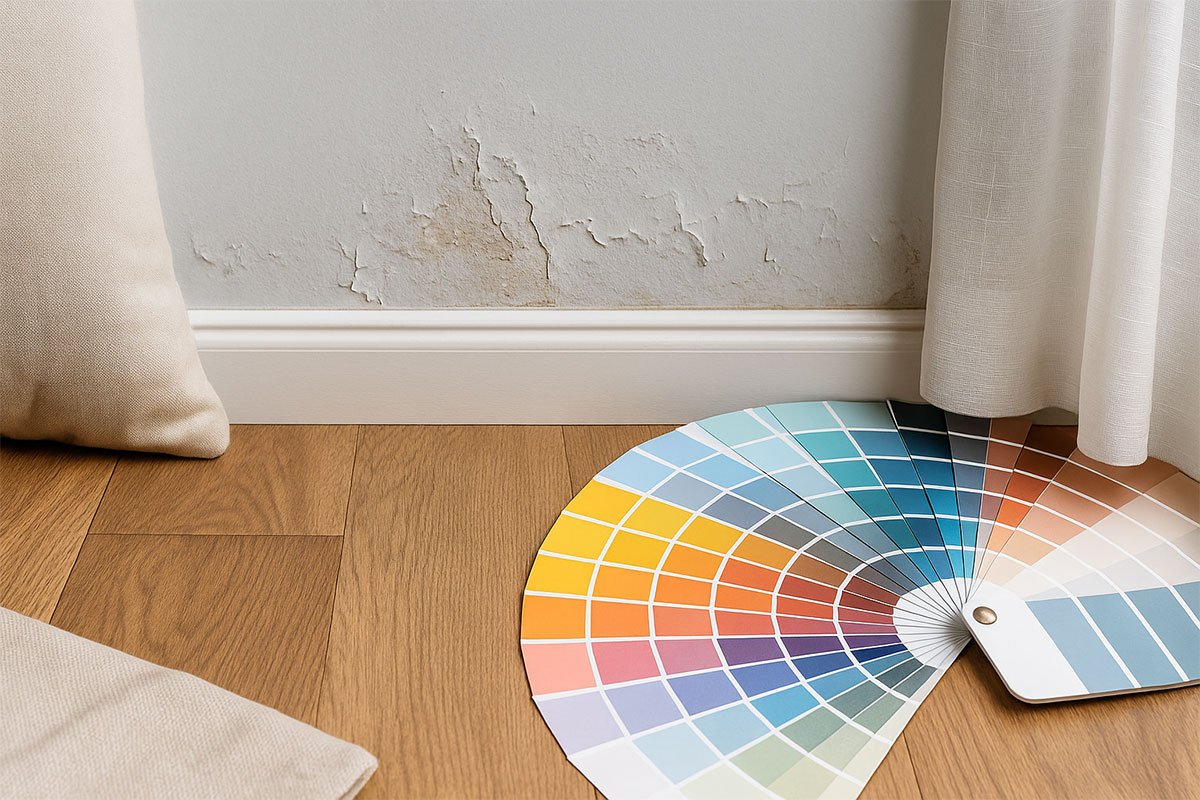
Paint and finishes also respond to humidity. High humidity prevents paint from curing properly, trapping moisture beneath the surface. This leads to bubbling, peeling, cracking, and mold growth behind paint layers. Low humidity causes paint to dry too quickly, forming brittle surfaces prone to cracking. Caulking and sealants shrink or degrade prematurely with constant humidity fluctuations. Painted drywall absorbs moisture slowly but releases it slowly as well, making it prone to long-term dampness that fosters mold in humid rooms such as bathrooms, kitchens, and basements.
Flooring materials respond strongly to humidity. Hardwood floors warp or gap depending on moisture load. Laminate flooring can swell or separate at edges. Vinyl flooring may loosen from adhesives if humidity is high. Carpets absorb moisture and retain odors, contributing to mustiness and microbial activity. Tile floors are highly durable, but grout and backer boards can retain moisture, leading to mold in humid conditions or beneath improperly sealed tile installations.
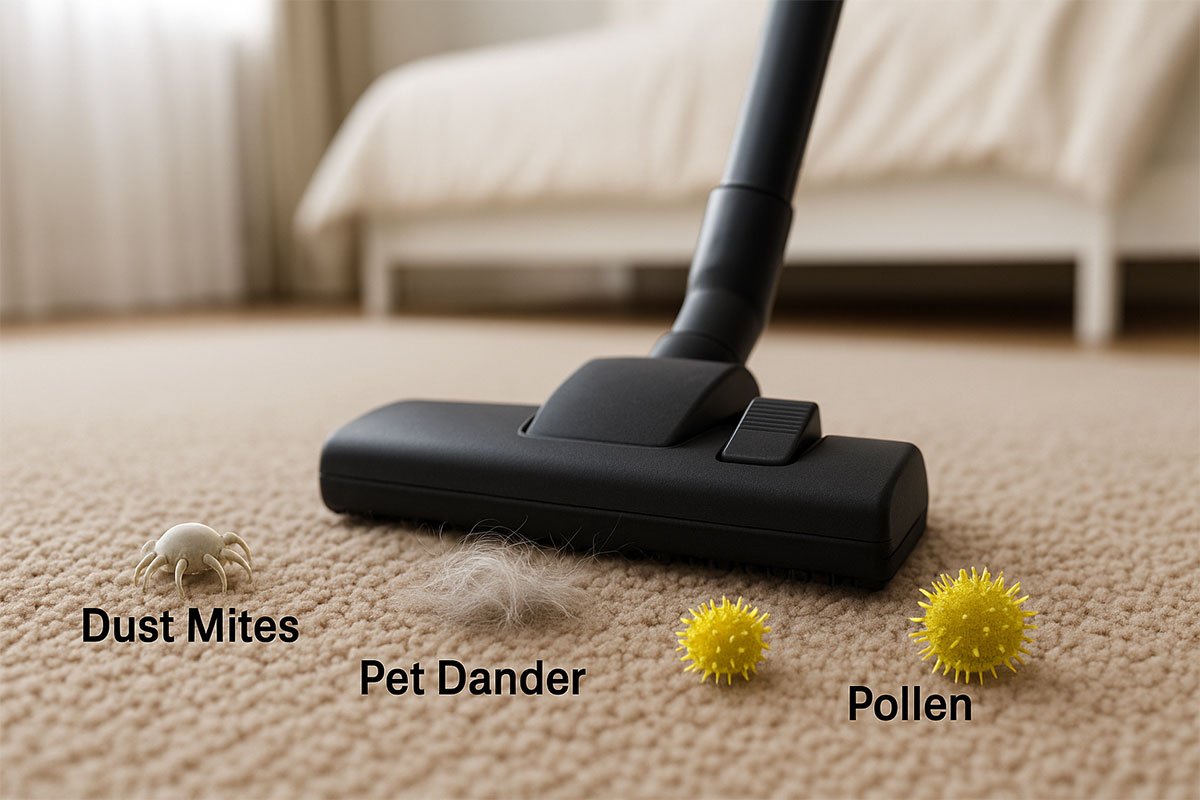
Fabrics and textiles—such as bedding, curtains, rugs, and upholstery—are highly sensitive to moisture. In humid conditions, fabrics absorb moisture and become breeding grounds for dust mites, mold spores, and bacterial growth. Musty odors develop as humidity interacts with sweat, oils, and dust trapped in fabrics. Low humidity dries out natural fibers, making fabrics brittle and prone to wear. Even mattresses and pillows accumulate humidity, influencing dust-mite populations and altering air quality.
Structural components like insulation, framing, and concrete also interact with humidity. Fiberglass insulation can trap moisture, reducing its insulation value and fostering mold growth. Concrete slabs absorb moisture that evaporates upward into living spaces, creating humid environments that damage wood floors or encourage mold. Metal fasteners corrode more quickly in humid environments, especially in coastal regions or basements. Humidity affects the entire building envelope, not just visible surfaces.
Because humidity influences materials in so many ways, the following list breaks down the major effects high and low humidity have on a typical home.
How High & Low Humidity Affect Home Materials
High Humidity (>60%)
- Wood swelling, warping, and sticking doors
- Mold growth on drywall, insulation, and wood
- Paint bubbling, peeling, and discoloration
- Carpet odors and dust-mite proliferation
- Laminate flooring swelling or separating
- Window condensation leading to rot
- Rust and corrosion on metals
- Musty smells from fabrics and upholstery
Low Humidity (<30%)
- Wood shrinkage and cracking
- Gaps between floorboards
- Paint cracking or premature aging
- Brittle fabrics and weakened fibers
- Increased static electricity
- Dry indoor dust that becomes easily airborne
- Caulking shrinking and separating
- Increased respiratory irritation for occupants
Homes experience humidity cycles not just seasonally but daily. Cooking, showering, running dishwashers, drying laundry, and even breathing increase indoor humidity. Without proper ventilation or dehumidification, humidity builds up and saturates materials. Bathrooms and kitchens are especially vulnerable because they produce concentrated moisture; when ventilation is insufficient, humidity spreads throughout the home. Basements naturally have higher humidity because concrete and soil release moisture upward into the home. Meanwhile, winter heating systems often reduce humidity dramatically, stressing materials in the opposite direction.
Humidity also affects adhesives and construction materials. Flooring adhesives can weaken in high humidity, causing loose tiles or lifted edges. Wallpaper adhesive may soften when humidity is high, causing bubbles or peeling. In low humidity, adhesives may dry prematurely during installation, causing weak bonds and material failure. The longevity of construction materials is closely tied to stable humidity conditions.
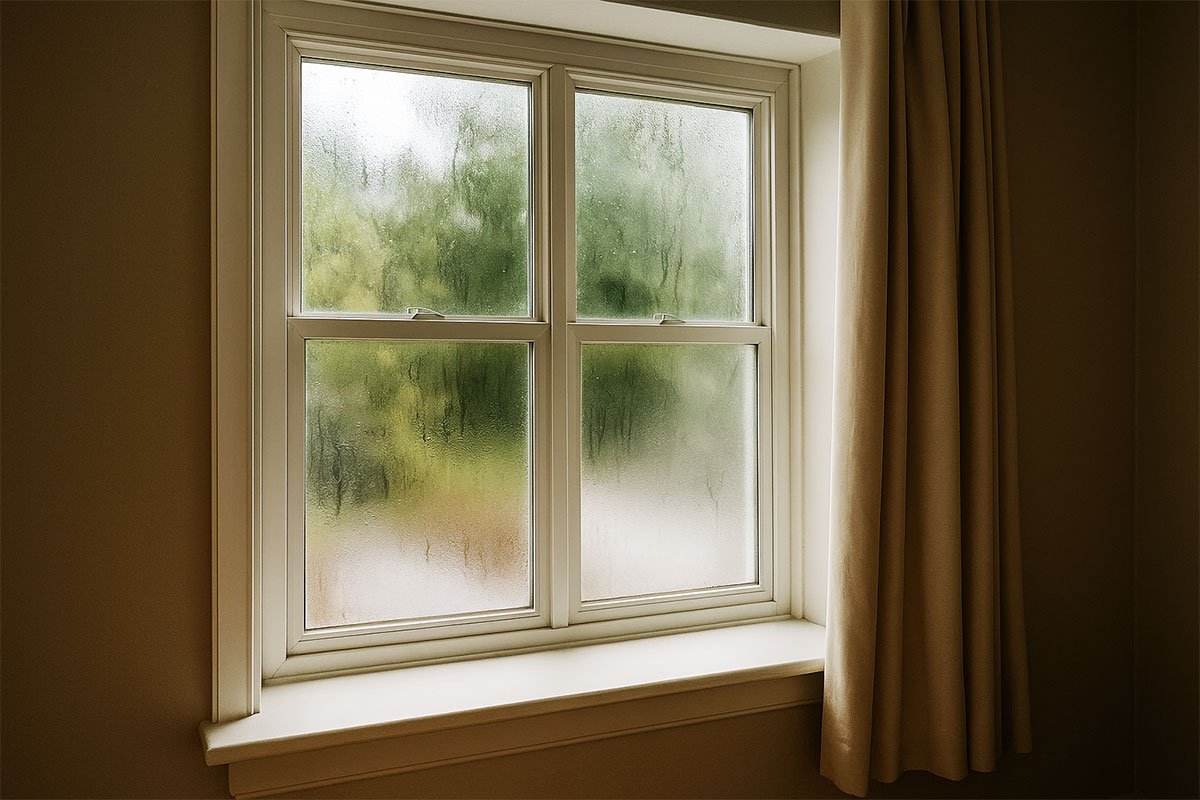
Windows and doors commonly show the earliest signs of humidity-related damage. In winter, condensation forms on cold window glass when warm indoor air meets cold surfaces. This moisture drips onto sills, causing rot, peeling paint, and mold growth. In summer, humid air entering air-conditioned rooms condenses on cool surfaces, especially uninsulated ducts or cold floors. Window frames expand and contract with humidity changes, causing drafts or stuck windows.
Humidity also interacts with flooring in ways that homeowners often don’t anticipate. Wood floors expand across the grain, not along the length of the boards. This means boards push against each other when humidity rises, causing cupping (edges higher than center). In dry conditions, boards shrink and create gaps. Laminate flooring swells when its fiberboard core absorbs moisture. Carpets trap moisture deep within the padding, becoming reservoirs for mold and bacteria. Tile is immune to humidity, but grout absorbs moisture and may discolor or crack.
To protect materials effectively, homeowners must manage humidity with both behavioral adjustments and mechanical controls. The following list outlines the most effective humidity-management strategies supported by building science research.
How to Protect Home Materials From Humidity Damage
- Maintain indoor humidity between 30–50% year-round
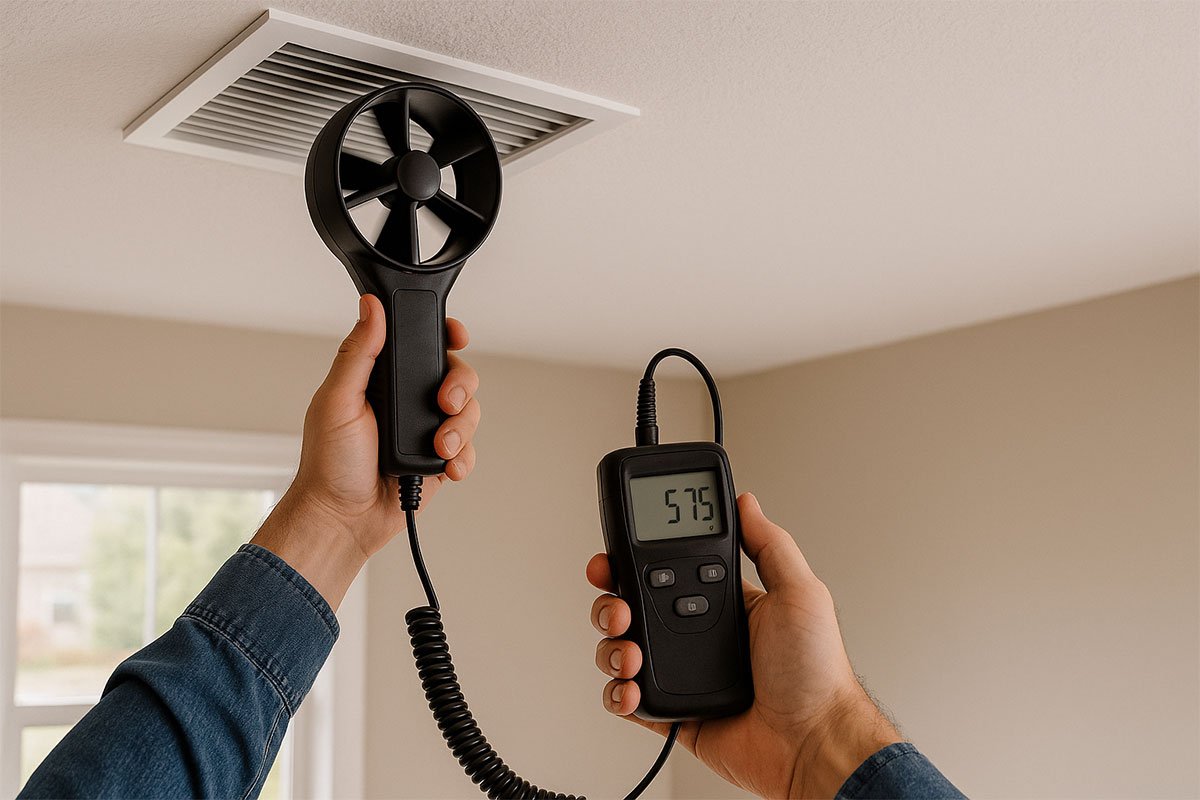
- Use bathroom and kitchen exhaust fans during and after moisture-producing activities
- Run dehumidifiers in basements, crawlspaces, and humid rooms
- Improve ventilation by opening windows or using mechanical systems
- Use air conditioning properly to remove moisture from warm air
- Keep interior doors open to ensure humidity equalizes throughout the home
- Seal grout and tile to prevent moisture penetration
- Use vapor barriers in crawlspaces or basement walls
- Install insulation to reduce cold-surface condensation
- Monitor humidity with digital hygrometers in key areas
- Use HEPA vacuums and regular cleaning to prevent moisture-laden dust buildup
- Avoid drying laundry indoors unless ventilation is excellent
- Inspect windows and doors for condensation or deterioration
Humidity control benefits not only materials but also indoor air quality. By minimizing moisture, homeowners reduce the risk of mold growth—one of the most common and damaging humidity effects. Mold affects drywall, wood framing, insulation, fabrics, and flooring. Even small humidity spikes, if consistent, support mold growth on surfaces that remain slightly damp. Preventing humidity accumulation is one of the most effective ways to prevent indoor mold without resorting to aggressive chemical treatments.
Homes with stable humidity levels experience fewer long-term issues. Wood floors remain smooth and aligned, paint remains intact, fabrics stay fresh, carpets resist mustiness, and structural components maintain their integrity. Mechanical systems also benefit: HVAC systems operate more efficiently in controlled humidity environments because excessive moisture condenses on coils and increases strain on air conditioning systems.
Humidity also influences comfort and energy efficiency. High humidity makes warm air feel hotter and heavier, causing air conditioning systems to work harder. Low humidity makes cold air feel colder, prompting heaters to run more often. Balanced humidity increases comfort at lower energy costs and reduces environmental stress on materials.
Ultimately, humidity acts as a silent force that shapes the condition and durability of every home. While temperature fluctuations are easily noticed, humidity shifts often go unseen—yet they exert significant stress on materials. Understanding how humidity interacts with wood, paint, textiles, flooring, and structural components empowers homeowners to maintain their homes more effectively, prevent costly repairs, and ensure a healthier living environment.
Maintaining humidity between 30–50% is one of the most powerful and simple ways to protect the home. With proper ventilation, dehumidification, cleaning routines, and monitoring, homeowners can keep their materials strong, stable, and protected for years to come.
Scientific Sources
- Environmental Protection Agency (EPA) – Moisture Control & Building Materials
https://www.epa.gov/mold - ASHRAE – Humidity, Building Materials & Indoor Environment Standards
https://www.ashrae.org - National Institutes of Health (NIH) – Humidity Effects on Microbial Growth & Materials
https://pubmed.ncbi.nlm.nih.gov