Dust Mites, Pet Dander, Pollen & Indoor Triggers
Indoor allergens are among the most persistent and impactful air-quality challenges in modern homes. While people often attribute allergy symptoms to outdoor pollen or seasonal changes, indoor environments can contain higher concentrations of allergens due to limited ventilation, continuous dust accumulation, closed living spaces, and the presence of pets, fabrics, carpets, and HVAC systems that trap biological particles. Allergens are microscopic and airborne, meaning they circulate through indoor air long after their sources go unnoticed.
The most common indoor allergens include dust mites, pet dander, mold spores, cockroach debris, pollen that infiltrates from outdoors, and microbe-containing dust. Homes with carpeting, plush furniture, heavy bedding, or high humidity are more susceptible to allergen buildup because these materials trap and hold organic particles. HVAC systems can also spread allergens through ducts if filters are poor quality or improperly replaced. Even personal habits—like opening windows during high-pollen seasons, allowing pets on furniture, or failing to control indoor humidity—can significantly increase allergen exposure.
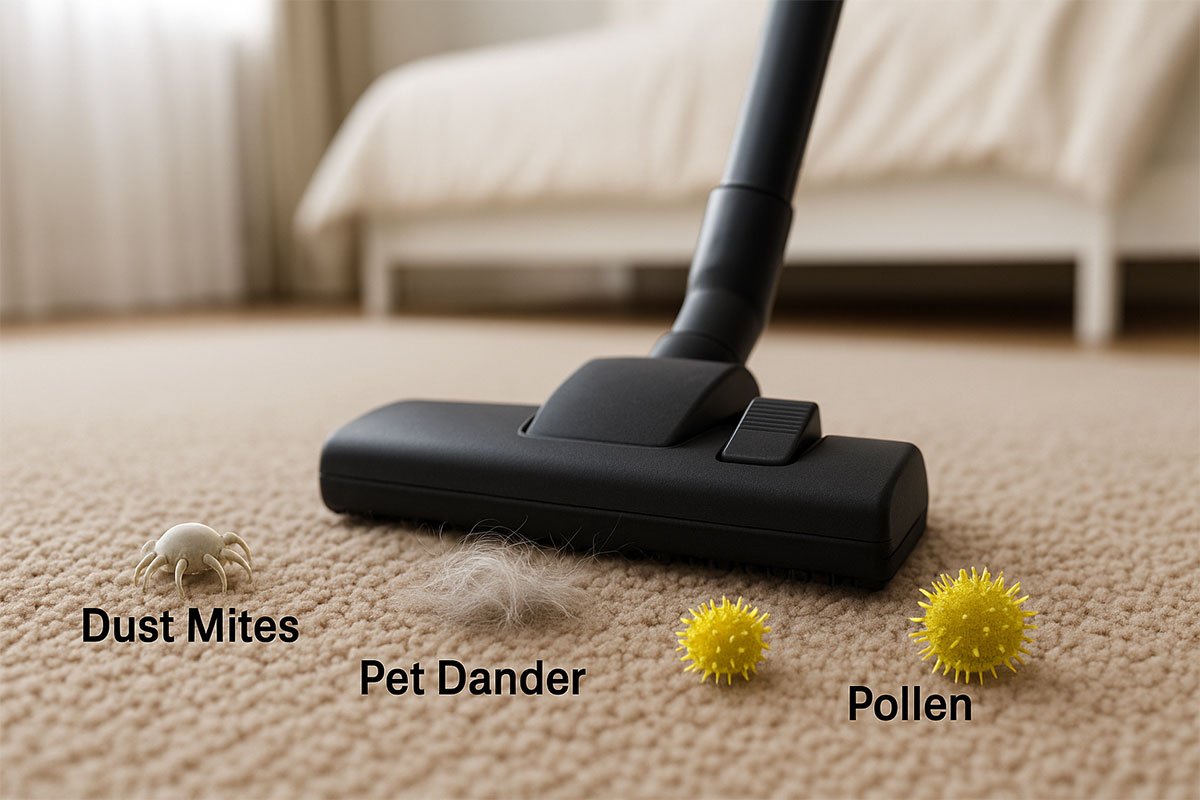
Understanding allergens requires understanding how microscopic particles behave. Dust mites are biological organisms that thrive in warm, humid environments with abundant skin flakes—their food source. They concentrate in mattresses, pillows, carpets, rugs, sofas, and fabric-covered surfaces. Pet dander consists of microscopic skin flakes from cats, dogs, rodents, and birds; it is lightweight, sticky, and easily airborne. Pollen enters through windows, doors, shoes, clothing, and pets’ fur, settling in carpets and air ducts. Mold spores spread through the air when humidity is excessive. All these allergens become part of household dust, which resuspends with movement and stays airborne for extended periods.
Many homes contain allergen levels significantly high enough to affect daily comfort. Bedrooms often contain the highest concentration of allergens because they have fabrics, high occupancy, and reduced ventilation during sleep. Living rooms with upholstered furniture, area rugs, and pets also accumulate allergens quickly. Basements and poorly ventilated areas harbor mold spores and dust mites. HVAC systems can concentrate allergens in filters or ducts and then redistribute them throughout the home.
To understand allergen accumulation clearly, the following list outlines the most common indoor allergen categories and how they arise.
Main Types of Indoor Allergens (and Where They Come From)
- Dust mites: Mattresses, bedding, upholstery, carpets, fabric furniture
- Pet dander: Cats, dogs, rodents, birds; clings to fabrics and dust
- Pollen: Enters through open windows, air leaks, shoes, clothing, pets
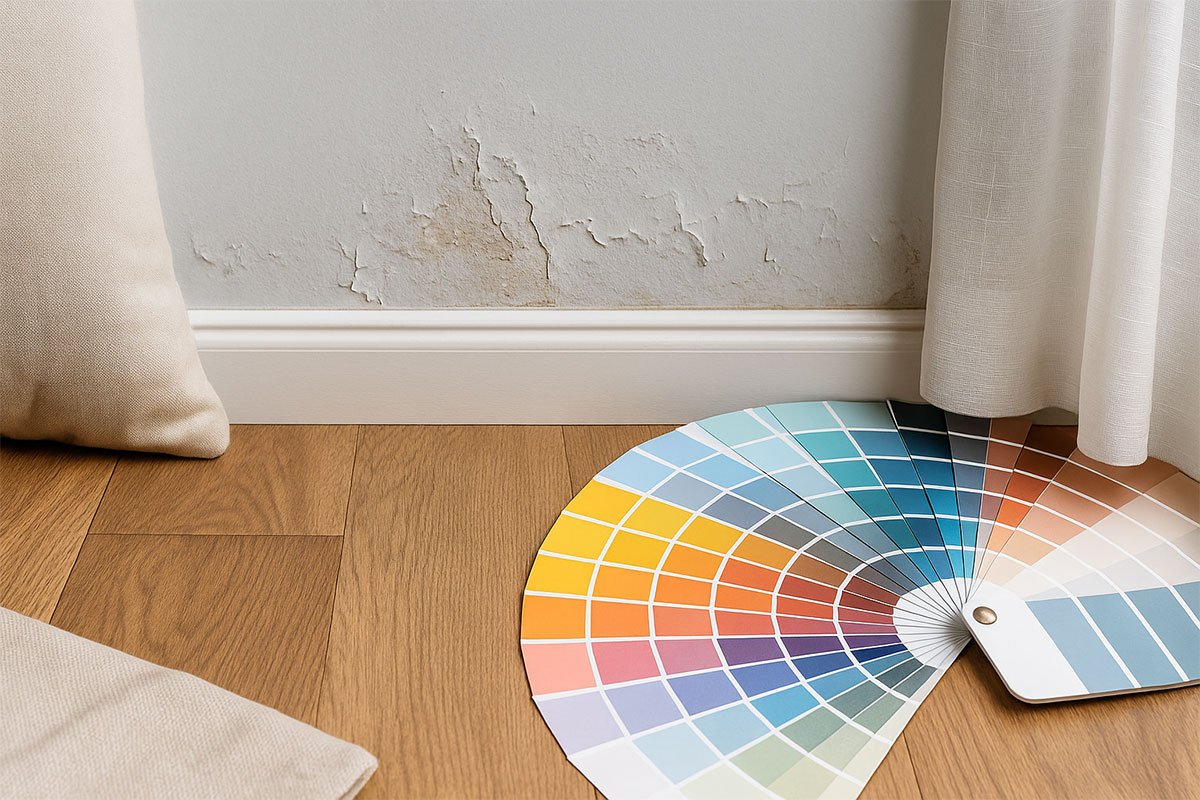
- Mold spores: Bathrooms, basements, high-humidity rooms
- Cockroach particles: Kitchens, cracks, warm damp spaces (urban homes)
- Microbial fragments & dust: Settles on surfaces and becomes airborne with movement
Reducing allergens is not about sterilizing the home—it is about managing the environmental conditions that allow allergens to thrive. Temperature, humidity, ventilation, cleaning habits, and filtration all influence allergen levels. Most allergens behave predictably based on humidity and airflow. Dust mites require humidity above 50% to survive; mold growth accelerates in humidity above 60%; pollen and dander become airborne easily in dry environments; microbial particles flourish in stagnant air. These patterns make it possible to significantly reduce allergen levels with targeted environmental changes.
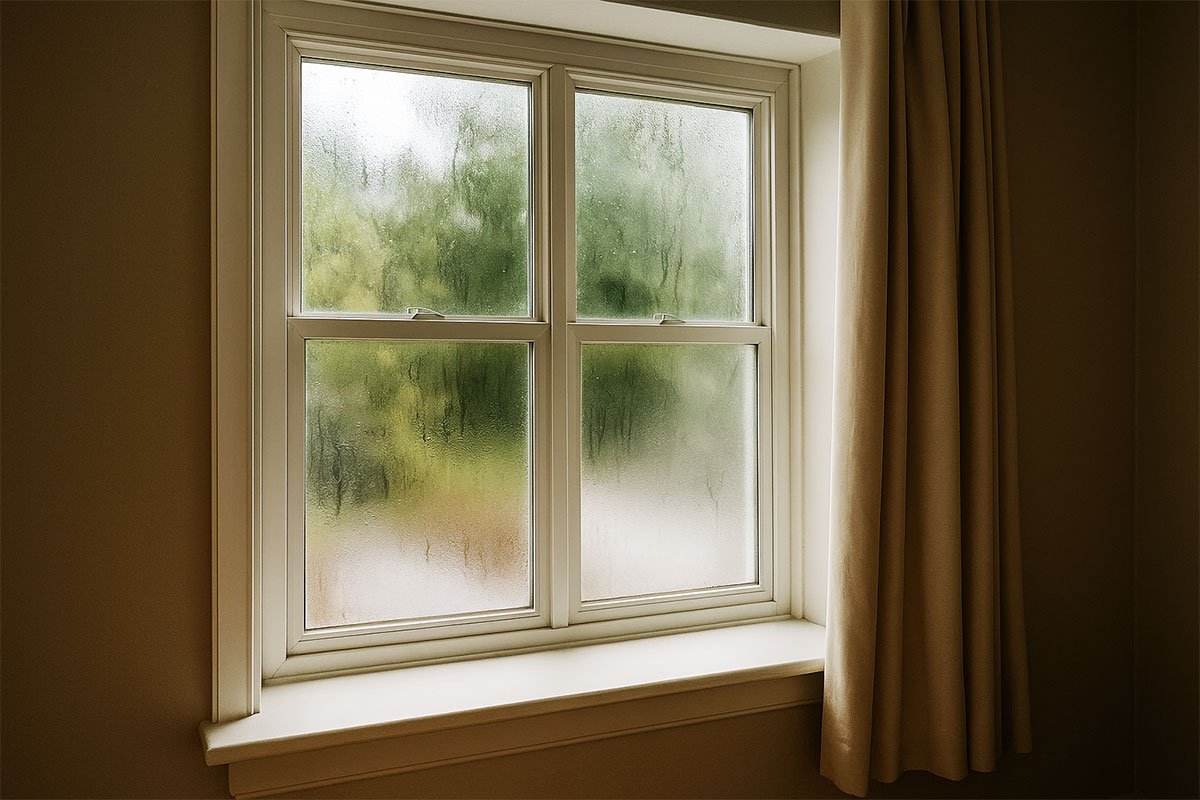
Humidity control is the foundation of allergen management. Dust mites cannot survive in environments with low moisture levels, and mold growth slows drastically when humidity stays between 30–50%. Dehumidifiers, air conditioning, ventilation fans, and proper airflow are essential tools for keeping moisture in the ideal range. Bedrooms and basements often benefit most from humidity control because they accumulate moisture and dust more readily.
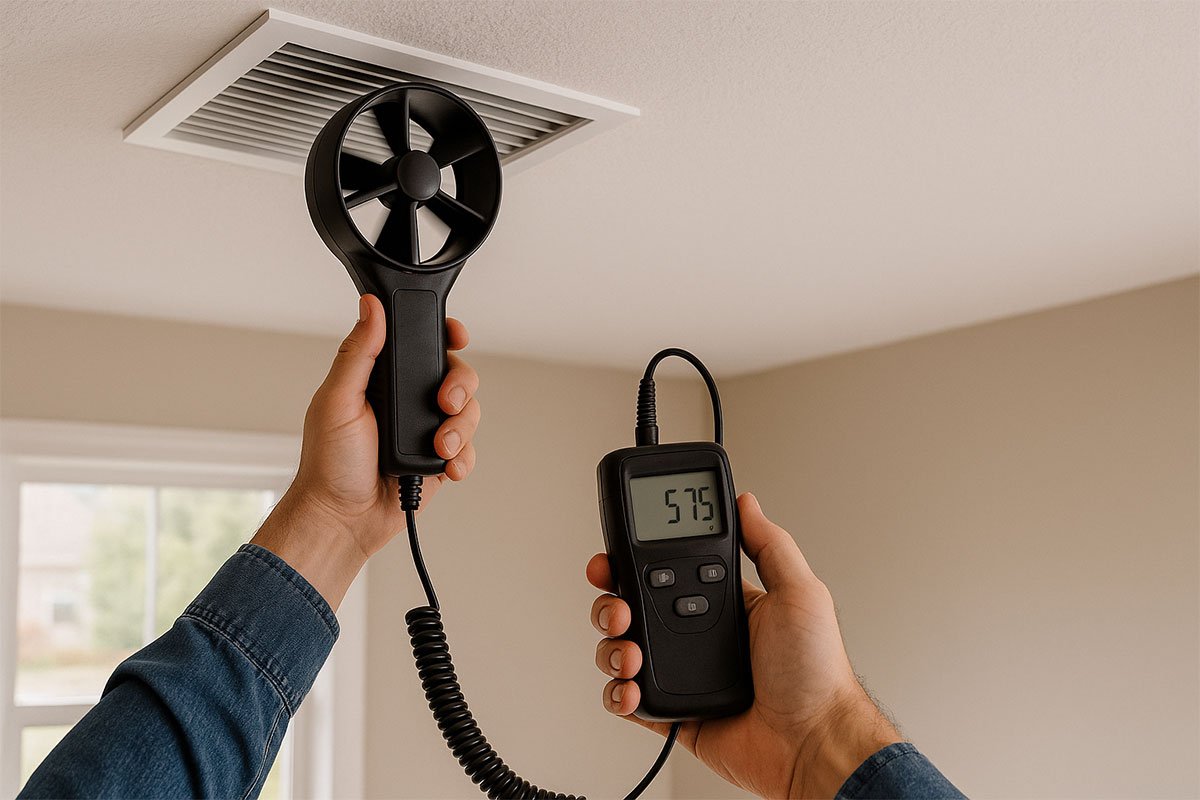
Ventilation also plays a crucial role. Homes with inadequate ventilation trap allergens indoors, allowing them to accumulate in higher concentrations. Running exhaust fans, opening windows strategically, using HEPA air purifiers, and ensuring HVAC systems circulate air consistently help keep allergen levels manageable. Rooms with poor airflow—closets, guest rooms, corners, and storage spaces—tend to develop musty smells and higher dust-mite activity.
Cleaning habits matter more than many homeowners realize. Standard vacuums without HEPA filters can actually worsen allergen exposure by blowing microscopic particles into the air. Microfiber cloths trap dust more effectively than cotton because of their electrostatic fibers. Bedding should be washed weekly in hot water to kill dust mites. Carpets and upholstery should be vacuumed thoroughly and regularly, especially in high-traffic areas or homes with pets. Removing clutter and minimizing fabric-heavy furnishings reduces the amount of surface area where allergens accumulate.
To help homeowners manage allergens effectively, the following list outlines the most important steps scientifically proven to reduce allergen levels.
How to Reduce Indoor Allergens
- Keep humidity between 30–50% to limit dust mites and mold
- Use HEPA vacuums to prevent allergen resuspension
- Wash bedding weekly in hot water (at least 130°F / 54°C)
- Use mattress and pillow encasements to block dust mites
- Run air purifiers with true HEPA filters in bedrooms and living rooms
- Regularly clean or replace HVAC filters (MERV 11–13 recommended)
- Vacuum carpets and rugs 2–4 times per week, depending on pets/allergies
- Brush pets frequently and bathe as needed
- Wipe surfaces with microfiber cloths to capture allergenic dust
- Avoid opening windows during high-pollen seasons
- Use exhaust fans in kitchens and bathrooms to control humidity
- Declutter rooms to reduce dust-collecting surfaces
- Remove carpets in bedrooms if allergies are severe
- Dry laundry quickly and avoid drying clothes indoors
Each major allergen type requires targeted strategies as well. For example:
Dust mites concentrate in mattresses, pillows, and upholstered furniture. Weekly hot-water washing, vacuuming, and encasements significantly reduce dust-mite allergen levels in bedrooms.
Pet dander requires frequent cleaning and environmental control. Even if pets are groomed regularly, dander becomes embedded in carpets and fabrics. Air purifiers, regular vacuuming, and restricting pets from bedrooms help reduce symptoms.
Pollen control is seasonal and requires monitoring outdoor pollen counts. High-pollen days require closing windows, using air conditioning, cleaning entry mats, and wiping pets’ paws after outdoor walks.
Mold spores are controlled through humidity management, ventilation, leak repair, and addressing damp basements or bathrooms.
For homeowners with severe allergies, making a few structural changes can dramatically improve comfort. Removing carpets in bedrooms, replacing fabric curtains with blinds, reducing upholstered furniture, using high-quality HVAC filtration, and upgrading home ventilation systems provide long-term, reliable allergen reduction.
Allergen reduction is also about airflow patterns. Air that remains stagnant in corners or enclosed rooms becomes a breeding ground for biological particles. Ensuring good circulation through HVAC settings, ceiling fans, and open interior doors reduces allergen concentrations. Rooms with blocked vents, closed doors, or poor return-air pathways experience much higher allergen and CO₂ buildup.
The final piece of allergen management involves understanding that allergens accumulate continuously—there is no single intervention that eliminates them permanently. Instead, a consistent routine combining humidity control, filtering, cleaning, and ventilation makes the entire indoor environment less favorable for allergens.
Reducing allergens is not just about comfort—it directly impacts respiratory health, sleep quality, cognitive performance, and overall well-being. Homes with fewer allergens experience fewer musty odors, better air stability, and significantly improved indoor environments.
By keeping humidity low, ensuring proper airflow, cleaning effectively, filtering air through HEPA-based systems, and minimizing allergen reservoirs, homeowners can achieve cleaner air and long-term relief from common indoor allergy triggers.
Scientific Sources
- Environmental Protection Agency (EPA) – Indoor Allergens & Air Quality
https://www.epa.gov/indoor-air-quality-iaq - Centers for Disease Control and Prevention (CDC) – Dust Mites, Mold & Allergen Guidance
https://www.cdc.gov/asthma - National Institutes of Health (NIH) – Indoor Allergen Exposure Research
https://pubmed.ncbi.nlm.nih.gov