The Science of Ventilation, CO₂ Levels & Pollutant Build-Up
Stuffy indoor air is one of the most common comfort complaints in homes. People describe stuffy air as “heavy,” “stale,” “hard to breathe,” or “oppressive.” Although homeowners often attribute stuffiness to temperature or humidity alone, the true causes involve a complex interplay of ventilation rates, carbon dioxide levels, pollutant accumulation, particulate behavior, biological activity, and the moisture content of indoor air. Stuffy air is not simply a matter of discomfort—it signals that the indoor environment is not exchanging air efficiently enough to maintain healthy air quality.
Indoor air becomes stuffy when fresh outdoor air fails to replace stale indoor air at an adequate rate. Modern homes are built tighter for energy efficiency, meaning natural air leakage is greatly reduced. While this improves insulation, it also traps indoor air pollutants, moisture, odors, and CO₂ inside. Without intentional ventilation—through windows, mechanical systems, or HVAC settings—indoor air becomes depleted in oxygen relative to outdoor air and accumulates metabolic byproducts from human respiration.
One of the most significant scientific markers of stuffy air is CO₂ concentration. Humans exhale CO₂ with every breath, and in poorly ventilated homes, CO₂ levels rise quickly—especially in bedrooms, home offices, or small living spaces with closed doors. Outdoor CO₂ typically ranges from 400–500 ppm (parts per million). Indoor levels above 1,000 ppm often produce stuffiness, sluggishness, or a feeling of stale air. Levels above 1,500–2,000 ppm are associated with headaches, reduced cognitive performance, and a noticeable drop in perceived air freshness. These effects occur not because CO₂ is dangerous at such levels, but because CO₂ signals that ventilation is inadequate and that other pollutants are also accumulating.
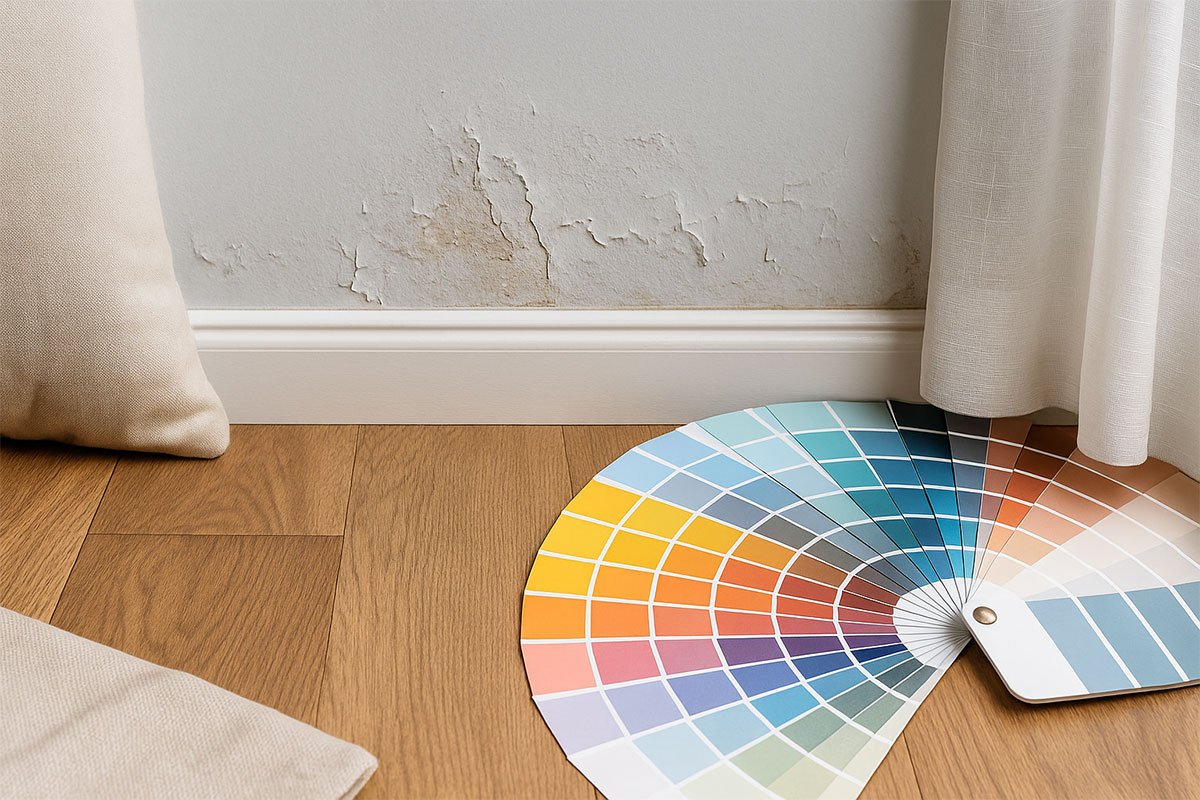
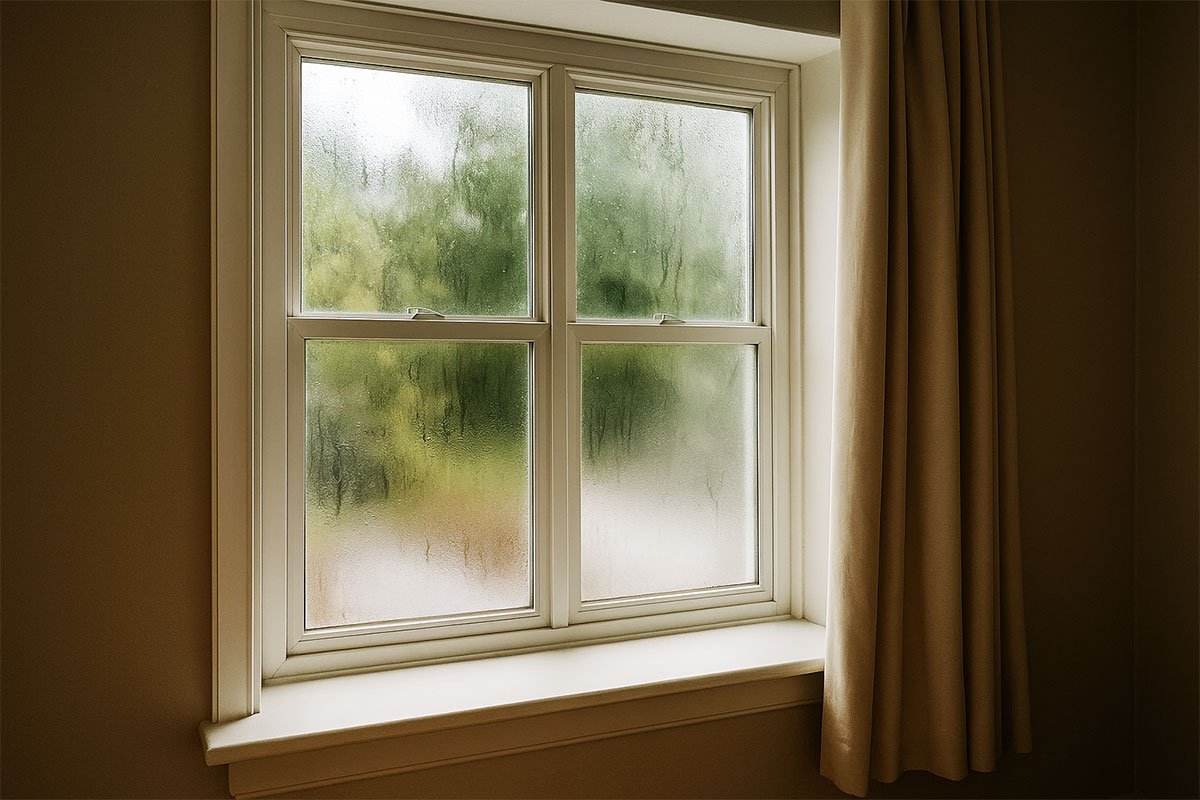
Another major factor behind stuffy air is humidity. When humidity rises above 55–60%, air feels heavier because moisture increases the density of the air and alters evaporative cooling from the body. High humidity also slows airflow by reducing thermal differences that naturally move air. Moist air carries more odors, traps heat, supports microbial growth, and intensifies VOC buildup. In winter, stuffiness often results from the opposite extreme—very low humidity from heating systems—creating dry, stagnant air that irritates the respiratory system and increases static electricity, making dust more airborne.
Odors also play a central role. Stuffy air is often associated with the smell of lingering pollutants—cleaning products, human scent, pet dander, cooking emissions, mold, or mustiness. When air is not exchanged frequently, these compounds accumulate and mix, creating a sense of “heaviness” or “stagnation.” Chemical pollutants such as VOCs, ozone reactions, nitrogen dioxide from gas stoves, and compounds from furniture off-gassing also contribute to the sensation of stale or stuffy air.
To understand stuffy indoor air comprehensively, the following list outlines the scientifically confirmed causes.
Main Causes of Stuffy Indoor Air
- High CO₂ levels due to inadequate ventilation
- Low ventilation rates in sealed or energy-efficient homes
- High humidity, especially above 60%
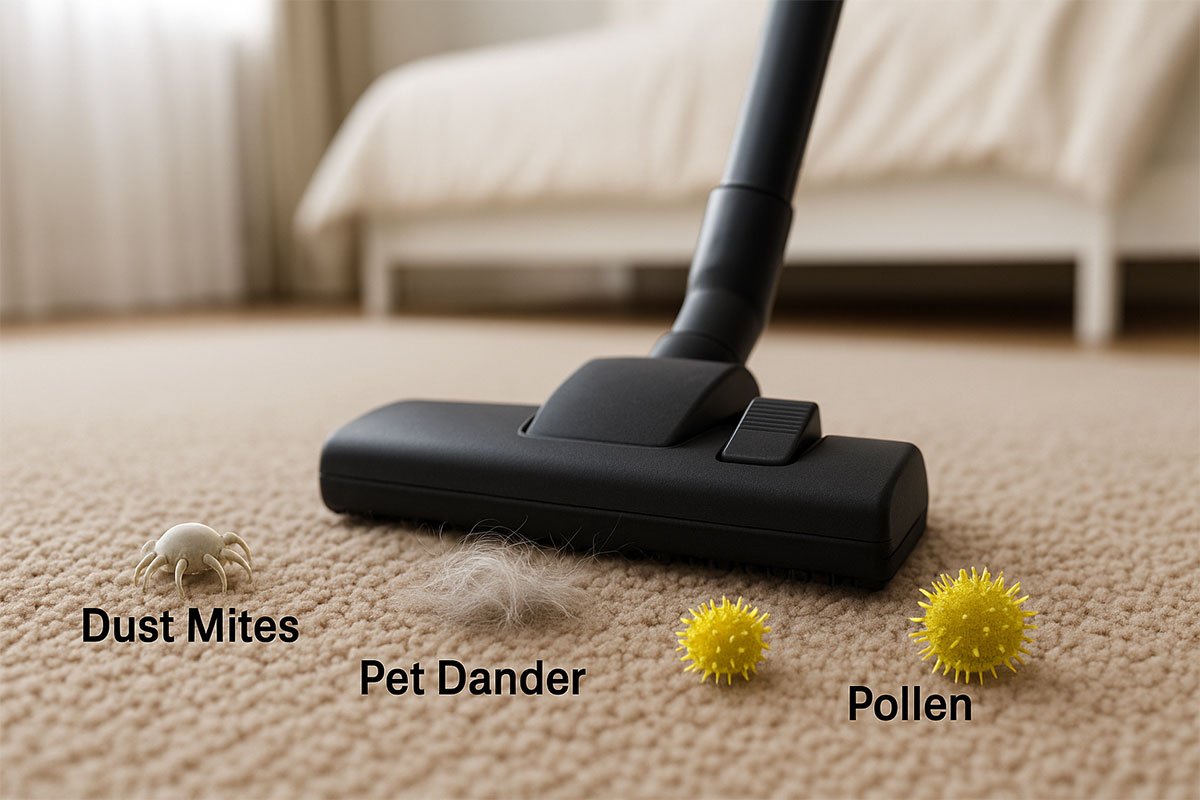
- Dust and particulate accumulation in stagnant air
- VOC buildup from cleaning products, paints, and furnishings
- Lack of air movement (fans, HVAC circulation, or natural airflow)
- Closed doors or blocked vents restricting air pathways
- Poor HVAC performance or dirty filters
- Microbial activity producing odors and mVOCs
- Cooking, showering, or indoor activities without exhaust ventilation
Stuffy air develops differently depending on the room. Bedrooms are especially prone to stuffiness because people spend long hours sleeping with doors closed, exhaling CO₂ and moisture. CO₂ levels in a small bedroom with a closed door can exceed 2,000 ppm overnight—even when the temperature is comfortable. Offices or gaming rooms with electronics, long usage times, and closed doors often develop stuffiness due to heat load and poor airflow. Bathrooms and kitchens create humidity and odors that linger when exhaust fans are weak or not used long enough.
HVAC systems significantly influence indoor stuffiness. Many systems are designed only to heat or cool recirculated indoor air—not to bring in outdoor air. If the system does not run frequently, air remains stagnant. Dirty filters restrict airflow and reduce circulation. Closed supply vents create pressure imbalances that cause some rooms to become under-ventilated. Poorly designed HVAC layouts may deliver too little conditioned air to certain rooms, leading to stuffiness regardless of humidity or temperature.
Another overlooked cause of stuffy air is pressure imbalance. When certain rooms become negatively pressurized—often due to closed doors while HVAC is running—they may draw in dusty air from attics, crawlspaces, or wall cavities. This air feels stale, humid, and contaminated. Positive pressure, meanwhile, traps air in a room, causing heat and CO₂ to build up. Balanced airflow is crucial for maintaining fresh indoor air.
Odors and chemical emissions also stagnate in spaces with poor air movement. VOCs off-gas more rapidly at warm temperatures and accumulate when ventilation is insufficient. Carpets, rugs, curtains, and upholstery act as reservoirs for VOCs and odors, slowly releasing them back into the air. Without airflow to dilute these emissions, the room feels stuffy even if freshly cleaned.
To improve stuffy indoor air, homeowners must address the environmental factors responsible for stagnation. The next list outlines the most effective strategies supported by building science and environmental health research.
How to Fix Stuffy Indoor Air
- Increase ventilation by opening windows regularly
- Use mechanical ventilation (HRV/ERV systems) in tight homes
- Run bathroom and kitchen exhaust fans during and after moisture-producing activities
- Keep interior doors open to balance air pressure
- Use ceiling fans or portable fans to promote air movement
- Replace HVAC filters regularly, especially MERV 8–13 filters
- Run the HVAC system continuously or on “circulate” mode to keep air moving
- Reduce humidity using dehumidifiers in damp seasons
- Avoid blocking vents with furniture
- Install window vents or trickle vents in tightly sealed homes
- Clean carpets, ducts, and upholstery to reduce odor reservoirs
- Use air purifiers to reduce particulate matter
- Improve attic and crawlspace ventilation to prevent odor migration
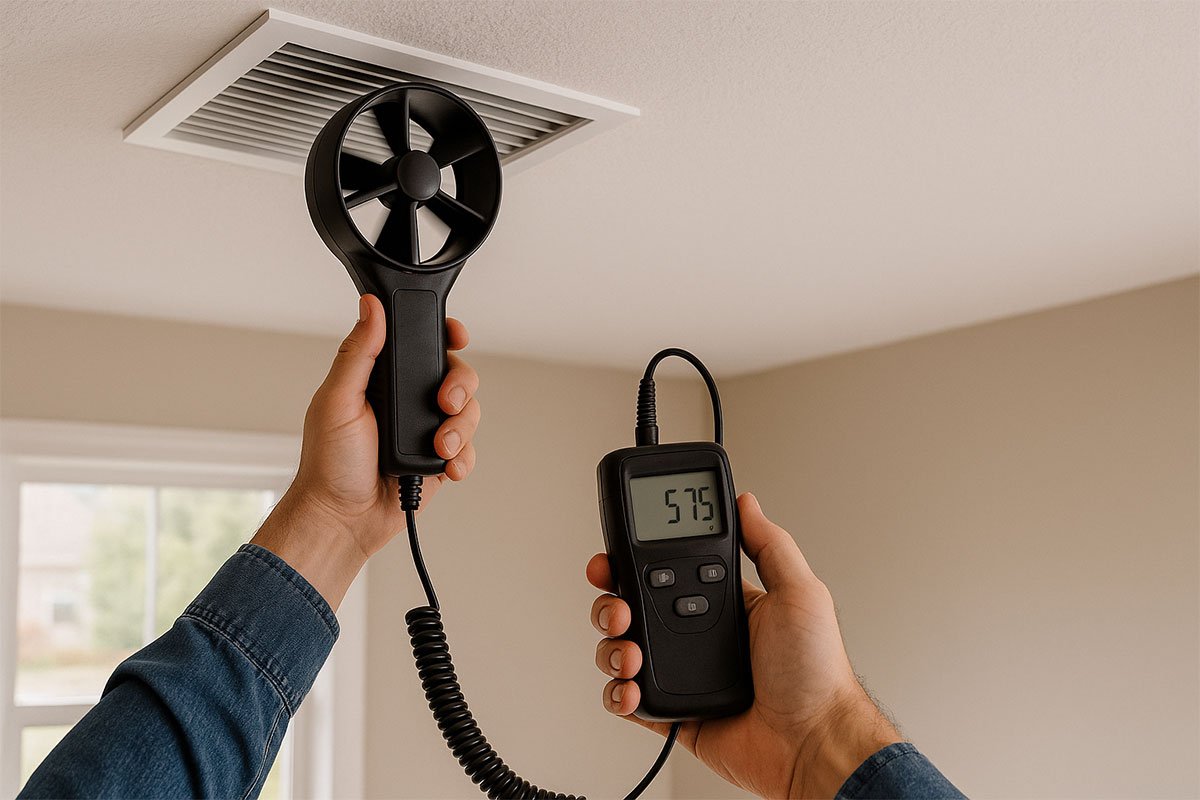
Ventilation is the most important solution. Even a few minutes of open windows can reduce CO₂ levels dramatically and refresh indoor air. In homes where opening windows is not practical due to outdoor pollution, humidity, or temperature, mechanical ventilation systems—such as HRVs or ERVs—bring in filtered outdoor air and remove stale indoor air without significant energy loss.
Balancing airflow is essential. Rooms with closed doors often become the stuffiest because air cannot travel back to the HVAC return vents. Installing jump ducts, transfer grilles, or leaving doors slightly open improves air exchange dramatically. Making sure supply vents and return vents are not blocked ensures that air moves efficiently through rooms.
Humidity control also plays a major role. Dehumidifiers can reduce the heavy, oppressive feeling that humid air creates, while humidifiers can ease dryness in winter. The ideal humidity range for air comfort and freshness is 30–50% year-round.
Temperature matters as well. Very warm rooms feel stuffier due to higher VOC emissions and microbial activity. Very cold rooms can trap moisture and odors. Keeping temperatures within the recommended comfort range—typically 68–76°F depending on season—ensures stability and balanced humidity.
Air purifiers are highly effective at reducing particulates and odors but do not fix stuffiness caused by high CO₂. This is why ventilation—not filtration—is the primary method for reducing stale or stagnant air. A purifier can make air cleaner but cannot make it “fresher” unless fresh air is introduced.
Ultimately, stuffy air is a message: the room is not breathing properly. By improving ventilation, balancing airflow, controlling humidity, and removing pollutant sources, homeowners can eliminate stuffiness and create indoor environments that feel lighter, fresher, and more comfortable.
Healthy airflow is the foundation of good indoor air quality. When air moves and exchanges properly, dust settles less, odors dissipate rapidly, humidity stays balanced, and CO₂ levels remain low. With the right environmental strategies, stuffy air can be eliminated permanently rather than temporarily masked.
Scientific Sources
- Environmental Protection Agency (EPA) – Ventilation & Indoor Air Quality
https://www.epa.gov/indoor-air-quality-iaq - ASHRAE – Ventilation, Airflow & Indoor Contaminant Standards
https://www.ashrae.org - Centers for Disease Control and Prevention (CDC) – Ventilation in Buildings
https://www.cdc.gov/niosh