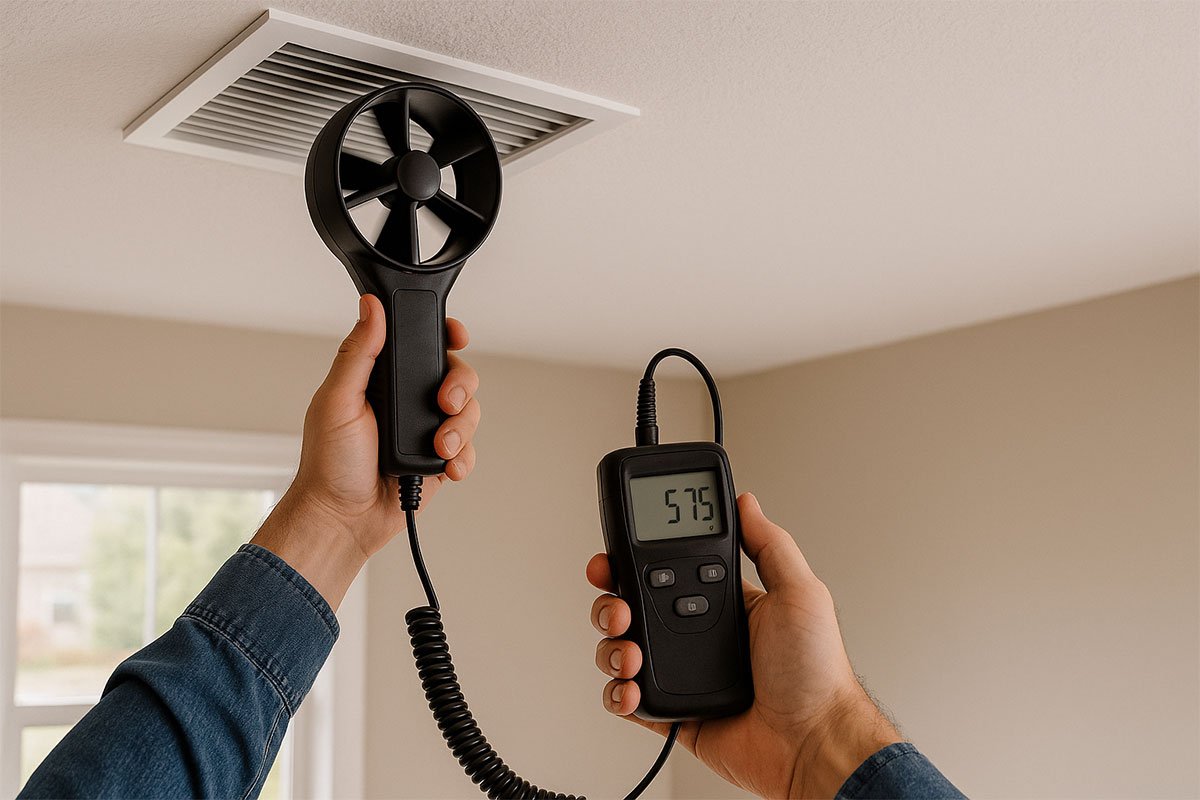
Airflow is one of the most influential yet least understood components of indoor air quality. Most homeowners focus on filtration, humidity, or temperature, but the way air moves inside a home—and the pathways it takes—determines how dust settles, how odors spread, how humidity accumulates, and how pollutants concentrate in specific rooms. Airflow is not static; it follows physics driven by pressure differences, temperature gradients, mechanical ventilation, building design, and everyday human activities. Even small issues with airflow can lead to significant changes in the cleanliness and healthfulness of indoor spaces.
At its core, airflow governs how indoor environments behave. When air moves efficiently and predictably, dust is captured by filters instead of collecting on surfaces, odors dissipate instead of lingering, and humidity is transported out of damp areas before it becomes a mold risk. When airflow is poor or unbalanced, pollutants accumulate and spread through the home, stale air pockets form, moisture is trapped, and odors become stronger and harder to eliminate. Understanding airflow patterns helps homeowners diagnose why certain rooms feel stuffy, why some rooms accumulate more dust, or why odors migrate even when surfaces appear clean.
One of the main drivers of airflow in homes is the stack effect—the natural rising of warm air and falling of cooler air. Warm air rises to higher floors, creating a slight vacuum on lower floors that pulls in air from crawlspaces, basements, or the outdoors. In summer, the reverse can occur, especially if cooled air sinks to lower floors. HVAC systems are supposed to counterbalance these effects by distributing conditioned air evenly, but closed vents, duct leaks, and inadequate return air pathways disrupt natural balance. As a result, some rooms experience constant positive pressure while others experience negative pressure, leading to uneven air movement.
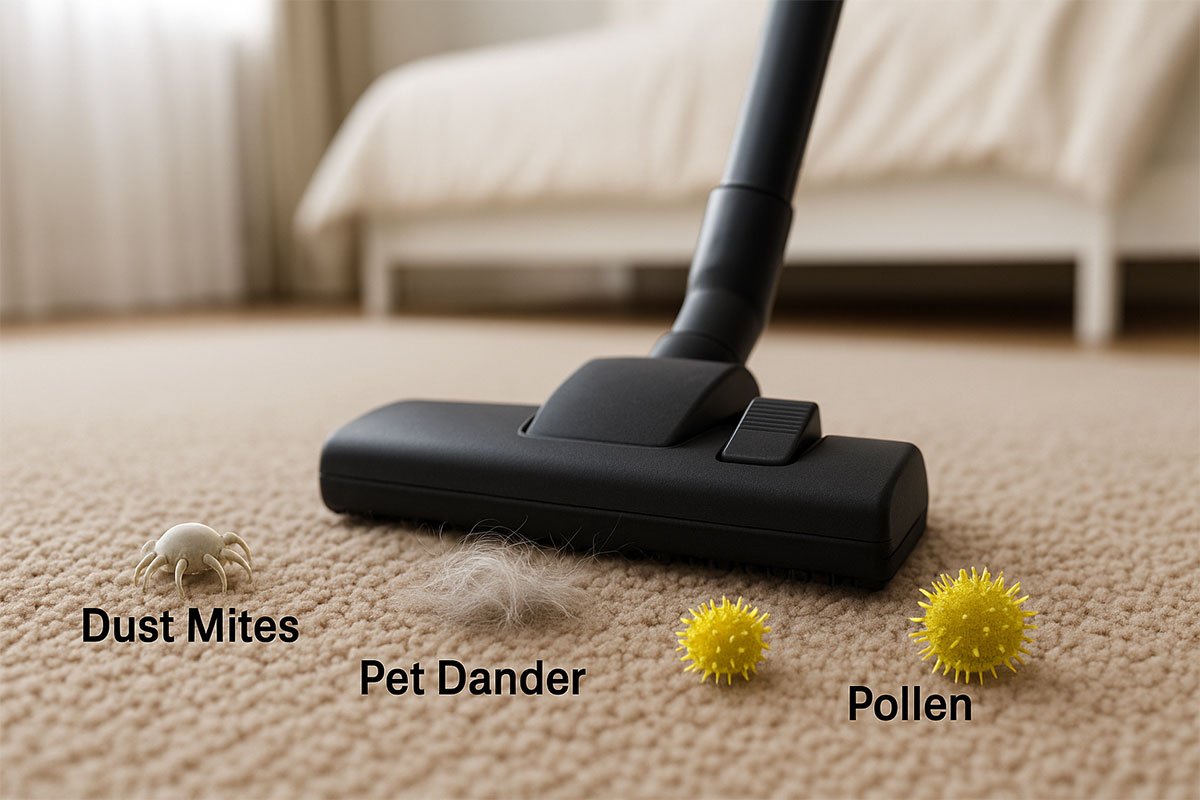
Airflow also determines how dust behaves. Dust doesn’t simply settle randomly—its movement follows air currents. In rooms with strong airflow toward vents, dust is swept into the HVAC system. In stagnant rooms, dust settles heavily on surfaces, carpets, and fabrics. Homes with uneven airflow often show dust accumulation in corners, under furniture, on blinds, or on electronics. Even the act of walking across a room can stir dust into the air where it follows airflow patterns into cracks, ducts, or adjoining rooms. When airflow is balanced and well-designed, dust is carried toward filters instead of circulating freely.
Odor movement is equally tied to airflow. Odors from kitchens, bathrooms, basements, or pets spread rapidly through a home when airflow pathways carry them toward living spaces. Without adequate ventilation or return air flow, these odors linger because the air does not refresh. For example, a musty smell from a damp basement often rises into upper floors through gaps in ductwork or via the stack effect. Improper exhaust ventilation can cause bathroom odors or humidity to migrate into bedrooms. Even kitchen odors can move through HVAC systems if range hoods are weak or recirculating rather than vented outdoors.
To understand the full picture of how airflow shapes indoor air quality, the following list outlines the major factors that determine airflow patterns inside homes.
Primary Factors That Influence Airflow Indoors
- HVAC system design, duct placement & return air pathways
- Pressure differences between rooms
- Temperature gradients caused by heating/cooling
- Ventilation (natural or mechanical)
- Stack effect in multi-level homes
- Leaky windows, doors, or ductwork
- Blocked registers or closed interior doors
- Ceiling fans and portable fans
- Air movement from appliances (dryers, stoves, exhaust fans)
- Furniture placement that obstructs air flow
One of the most common airflow problems in homes is insufficient return air. HVAC systems need both supply vents (which deliver conditioned air) and return vents (which pull air back to be filtered and recirculated). Many homes have multiple supply vents but only one return vent—or worse, return vents blocked by furniture. Without adequate return air, rooms build pressure and become stagnant. This stagnation traps humidity, dust, and odors.
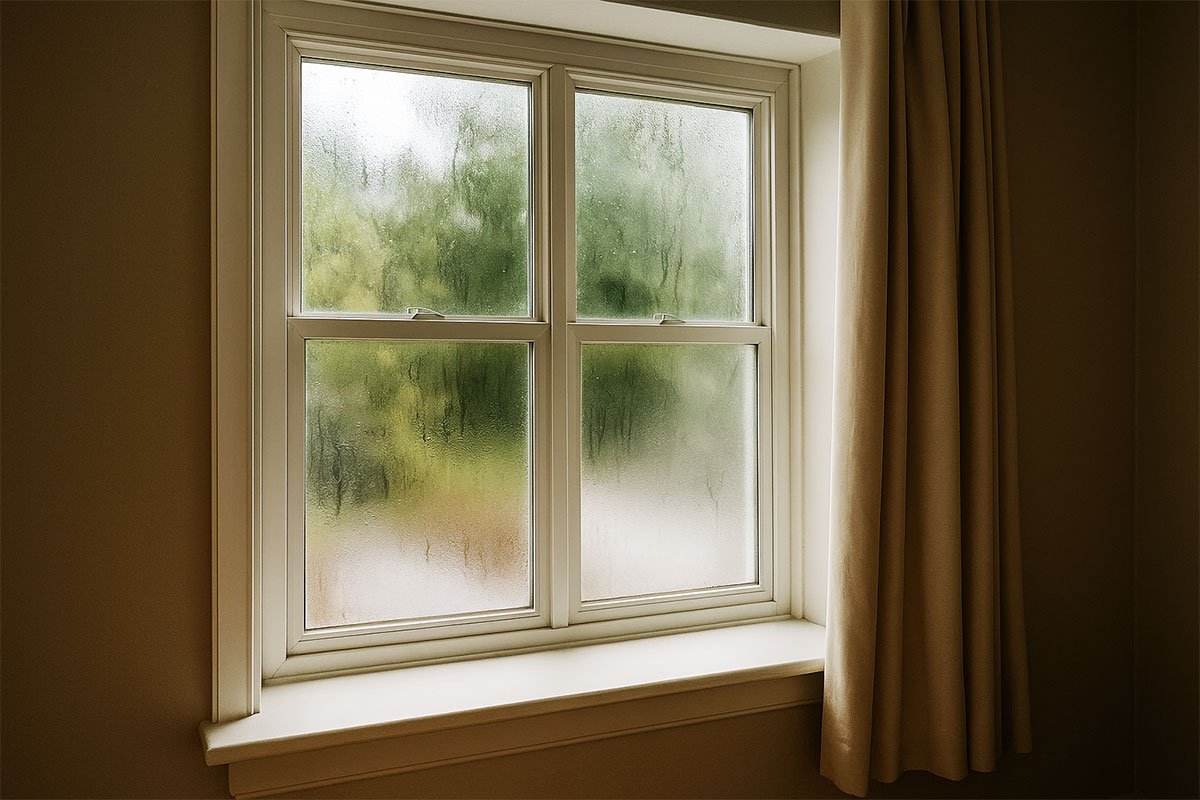
Closed interior doors can also wreak havoc on airflow. When bedroom or bathroom doors remain closed for long periods, pressure builds inside the room. In cooling seasons, this prevents dehumidified air from entering, allowing moisture and mustiness to accumulate. In heating seasons, it prevents warm air from circulating, causing cold pockets that lead to condensation. Air will always find a path, even if it means pulling in dusty air from attic gaps, wall cavities, or under floors.
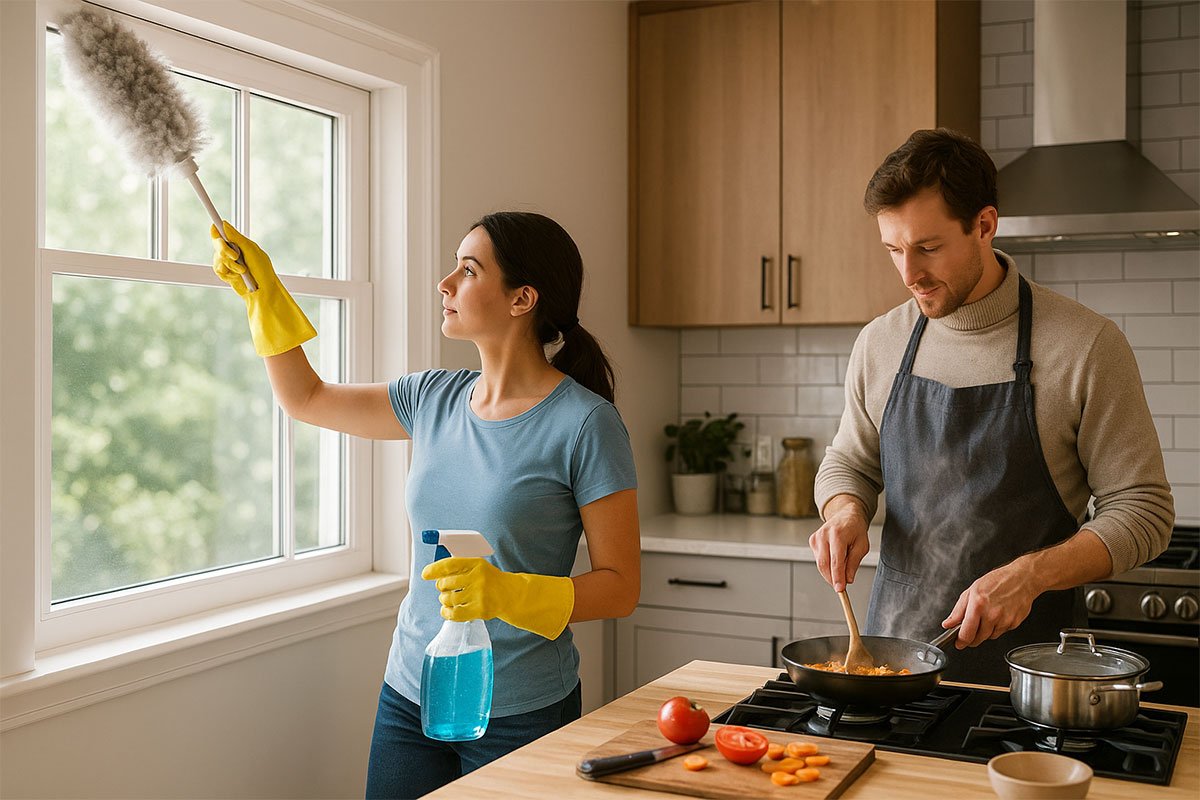
Airflow also affects how pollutants from cleaning products, paints, fragrances, or cooking spread. Poor airflow causes these pollutants to linger rather than dilute and disperse. Homes with inadequate ventilation show higher concentrations of indoor pollutants such as VOCs, PM2.5 (fine particulate matter), nitrogen dioxide from gas stoves, or contaminants from smoking or incense. Proper airflow ensures pollutants are carried out of the home rather than absorbed by carpets, furniture, or dust.
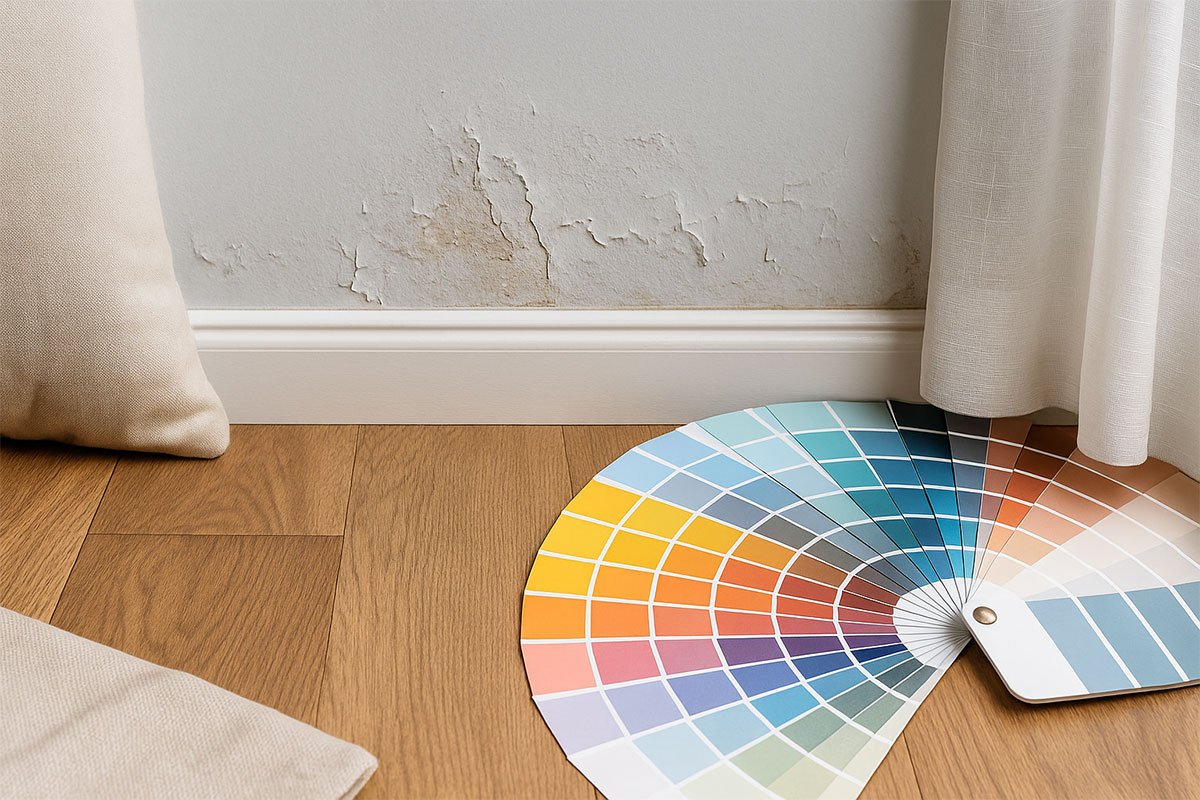
In basements and crawlspaces, poor airflow contributes to moisture buildup and musty odors that spread into the living area. These spaces are often cooler, causing condensation when warm humid air enters. Crawlspaces without proper venting or encapsulation allow humid, dusty, or moldy air to enter the home through the stack effect. Identifying and correcting airflow issues in these spaces dramatically improves the overall indoor environment.
To control indoor air quality effectively, homeowners must learn how to improve and manage airflow patterns. The next list highlights scientifically supported methods to optimize airflow inside homes.
How to Improve Airflow for Better Indoor Air Quality
- Ensure all supply and return vents are open and unobstructed
- Keep interior doors open during HVAC operation
- Use ceiling fans properly (summer: counterclockwise, winter: clockwise)
- Run bathroom and kitchen exhaust fans to remove humidity and odors
- Seal duct leaks to prevent pressure imbalances
- Use portable fans to move stagnant air in closed-off rooms
- Improve attic and crawlspace ventilation
- Install or maintain whole-home ventilation systems (HRV/ERV)
- Avoid placing large furniture in front of vents or returns
- Clean air filters regularly to reduce airflow resistance
- Balance HVAC airflow by adjusting dampers or consulting a technician
Balanced airflow ensures that dust moves toward filters instead of accumulating inside rooms. It also ensures humidity doesn’t get trapped, preventing mold growth. It neutralizes odors by constantly refreshing indoor air and carrying pollutants out. In other words, airflow works as the unseen “transport system” of indoor air health.
Understanding how airflow interacts with temperature and humidity is equally important. For example:
- Warm air rising to upper floors brings odors and moisture with it.
- Cold basements draw in humid summer air that condenses on surfaces.
- Stagnant air in closets leads to mustiness even without visible mold.
- Rooms with poor airflow feel warmer or cooler than the rest of the house, causing HVAC systems to run inefficiently.
- Humid air trapped near ceilings during showers drifts into bedrooms if exhaust fans are weak.
Homes with good airflow typically feel fresher, more consistent in temperature, less dusty, and less humid. Homes with poor airflow feel stuffy, unevenly cooled or heated, and prone to odors, dust accumulation, and moisture problems.
When airflow is corrected, many indoor air problems disappear. Dust becomes easier to manage, humidity stabilizes, odors dissipate naturally, and HVAC systems operate more efficiently. Airflow is the backbone of clean indoor air and is one of the simplest yet most powerful improvements homeowners can make.
Scientific Sources
- Environmental Protection Agency (EPA) – Indoor Airflow & Ventilation Basics
https://www.epa.gov/indoor-air-quality-iaq - ASHRAE – Ventilation, Pressure Balance & Indoor Air Movement Standards
https://www.ashrae.org - Centers for Disease Control and Prevention (CDC) – Ventilation & Indoor Air Guidance
https://www.cdc.gov/niosh