Cooking, Cleaning, Showering & Daily Habits
Indoor air quality is shaped not only by building materials or outdoor pollution but also by the everyday activities that occur inside a home. Cooking, cleaning, showering, doing laundry, burning candles, using fragrances, opening windows, and even simply living in a space influence the chemical, physical, and biological composition of indoor air. Homes function as semi-enclosed ecosystems where moisture, heat, particles, and chemicals interact continuously. Because most people spend 85–90% of their time indoors, understanding how household routines affect air quality is essential for creating healthier indoor environments.
Many indoor contaminants do not come from outdoor pollution but are generated directly by human activities. For example, cooking releases particulate matter (PM2.5), ultrafine particles, nitrogen dioxide (NO₂), carbon monoxide (CO), and volatile organic compounds (VOCs). Cleaning products release their own VOCs, and some form new airborne chemicals through reactions with ozone already present indoors. Showering introduces moisture that increases relative humidity and encourages mold growth if not properly ventilated. Laundry adds humidity and heat; drying clothes indoors releases fine lint particles. Everyday behaviors—such as burning incense, vaping, using aerosol sprays, or operating space heaters—further influence air quality in measurable ways.
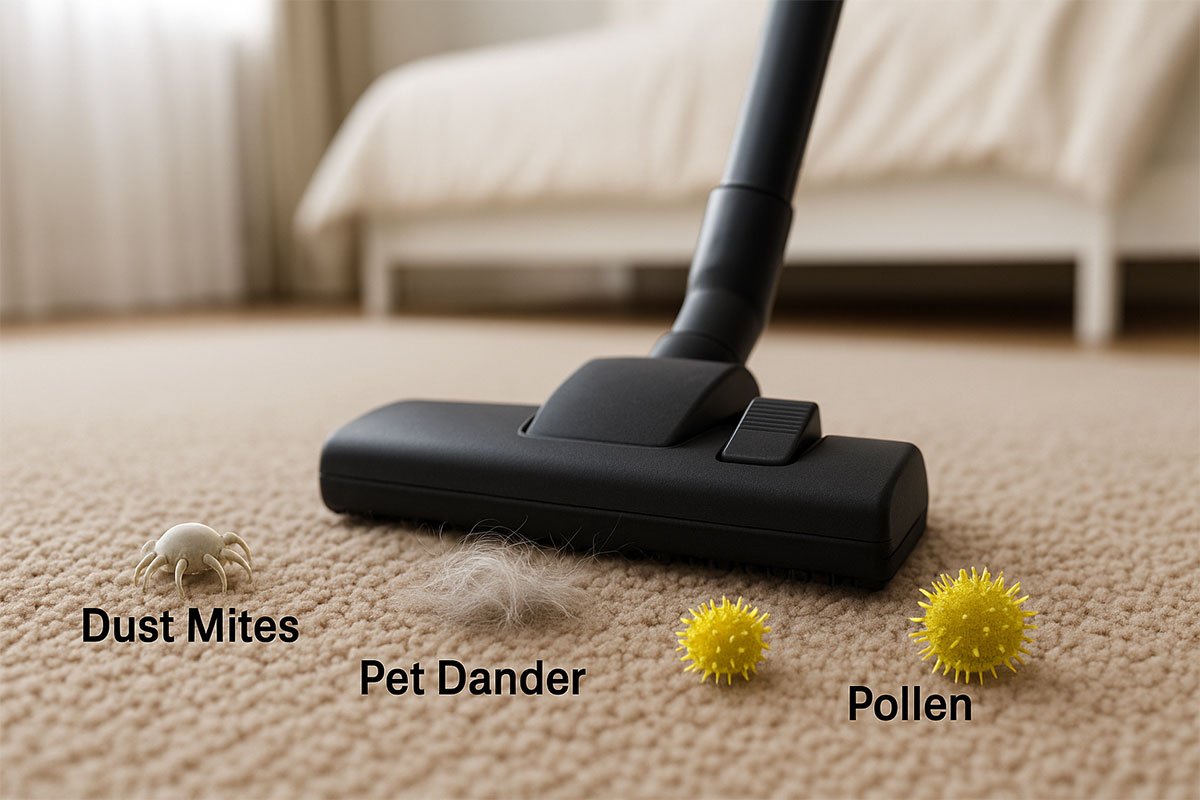
Human metabolism itself contributes to indoor air chemistry. People exhale carbon dioxide (CO₂) continuously, shedding skin flakes that become dust, generating odors, and releasing moisture into the environment. A family of four can add several gallons of water vapor to indoor air daily, contributing to humidity load. Even pets influence indoor air quality by shedding dander, hair, and organic particles that combine with dust.
Indoor pollutants fall into several major categories: combustion byproducts (from cooking and heating), VOCs (from products and materials), biological aerosols (from mold, bacteria, humans, and pets), and particulates (dust, fibers, microplastics, pollen, soot). The type and intensity of household activities determine which pollutants concentrate and how quickly they accumulate. Homes with poor ventilation or high humidity experience larger accumulations, particularly when activities generate heat or moisture.
To understand how common daily habits influence indoor air, the following list summarizes the major pollutants produced by everyday household activities.
Pollutants Released by Common Household Activities
- Cooking: PM2.5, ultrafine particles, VOCs, NO₂, CO, grease aerosols
- Cleaning: VOCs (from sprays, disinfectants, detergents), ozone-VOC reaction products
- Showering: Moisture, condensation, microbial aerosols
- Doing laundry: Humidity, lint particles, fragrance VOCs
- Burning candles/incense: Soot, ultrafine particles, benzene, toluene
- Using gas appliances: Combustion pollutants including NO₂ and CO
- Vacuuming: Dust resuspension if vacuum lacks HEPA filtration
- Operating HVAC: Redistribution of dust, mold spores, and fibers when filters are dirty
- Sleeping in a closed room: CO₂ accumulation and humidity increase
- Indoor exercising: Elevated respiration and airborne CO₂/moisture
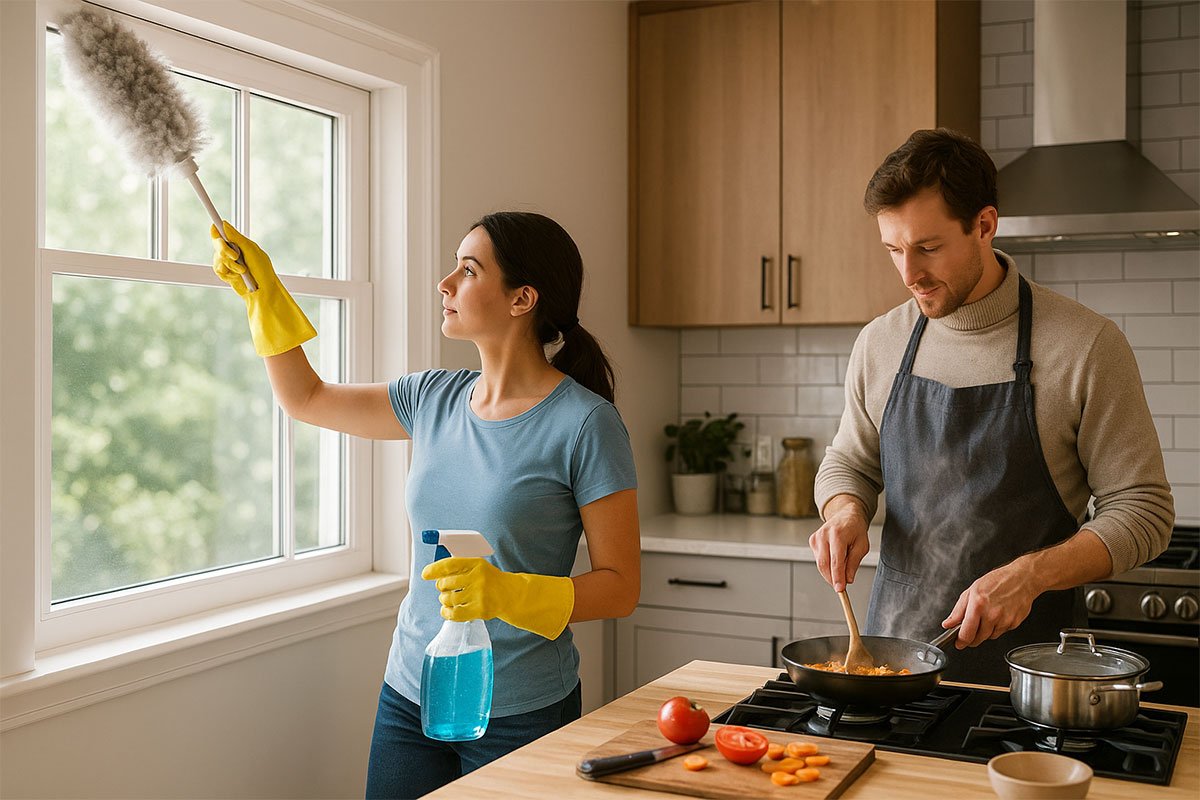
Cooking is one of the largest sources of indoor air pollution. Frying, sautéing, and grilling release high levels of PM2.5—tiny particles that penetrate deep into the lungs. Gas stoves emit nitrogen dioxide, which can reach levels exceeding outdoor pollution spikes in major cities. Without proper ventilation, these pollutants linger for hours and mix with existing dust and VOCs, forming complex chemical mixtures.
Cleaning contributes significantly to indoor chemical load. Disinfectants, multi-surface sprays, floor cleaners, and air fresheners emit VOCs that can irritate the respiratory system. When these chemicals interact with ozone (which enters from outdoors through open windows), they can form secondary pollutants such as formaldehyde. Harsh fragrances and aerosolized solvents remain airborne long after cleaning is finished.
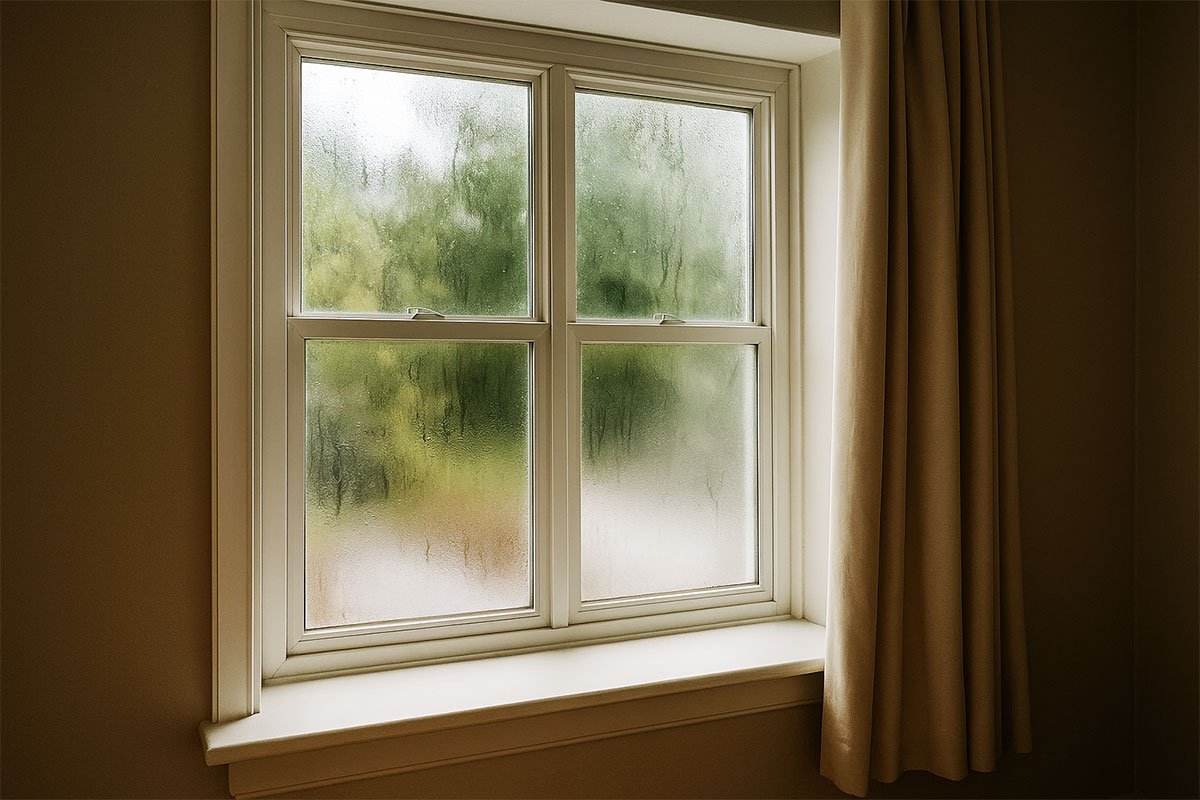
Showering and bathing add hot water vapor to the air, increasing humidity and moisture load. Bathrooms without adequate exhaust ventilation experience persistent humidity spikes, which encourage mold growth, dust mite activity, and material degradation. Moisture can spread from bathrooms to adjacent rooms, contributing to musty odors.
Laundry and drying clothes generate humidity and heat, and dryers that are improperly vented release lint and moisture into indoor air. Fabric softeners and scented detergents emit VOCs; these may accumulate in poorly ventilated laundry rooms.
Burning candles, incense, or scented oils produces combustion products, soot, ultrafine particles, and organic compounds. Even “clean-burning” candles release particulates and VOCs, which spread quickly through a home.
Across all these activities, ventilation plays the most important role in maintaining indoor air quality. Homes designed with limited air exchange trap pollutants and prevent fresh air from diluting contaminants.
To reduce pollution from everyday activities, homeowners must address the specific sources that cause indoor air quality to decline. The next list outlines evidence-based strategies for improving air quality while maintaining daily routines.
How to Reduce Pollution From Everyday Household Activities
- Use range hoods or exhaust fans while cooking; vent to the outdoors
- Open windows strategically during and after pollutant-producing activities
- Run bathroom fans for at least 15–20 minutes after showering
- Choose low-VOC or fragrance-free cleaning products
- Avoid burning candles and incense, or use unscented alternatives
- Vent dryers fully outdoors and clean lint traps regularly
- Use HEPA vacuums to reduce dust resuspension
- Wash bedding frequently to reduce biological aerosols
- Use dehumidifiers or HVAC settings to keep humidity between 30–50%
- Avoid overcrowding rooms and keep interior doors open for airflow
- Run HVAC on circulate mode to mix air and prevent stale pockets
- Use an air purifier in high-traffic areas or small enclosed rooms
Environmental studies repeatedly show that small behavioral changes make a significant difference in indoor air quality. For example, running a kitchen range hood reduces cooking-related particulates by as much as 50–80%. Using fragrance-free cleaners can cut VOC levels dramatically. Keeping interior doors open during HVAC operation prevents CO₂ buildup and improves airflow in bedrooms and offices. Running bathroom fans helps moisture escape, reducing mold risk.
Humidity control is critical. Everyday activities continuously add moisture to indoor air. Cooking, showering, breathing, exercising, and doing laundry all raise humidity. If indoor humidity exceeds 60%, mold growth accelerates, dust mites thrive, and musty odors become more prominent. When humidity drops below 30%, air feels dry, respiratory irritation increases, and dust becomes more airborne. Maintaining a balanced range reduces both microbial activity and airborne particle movement.
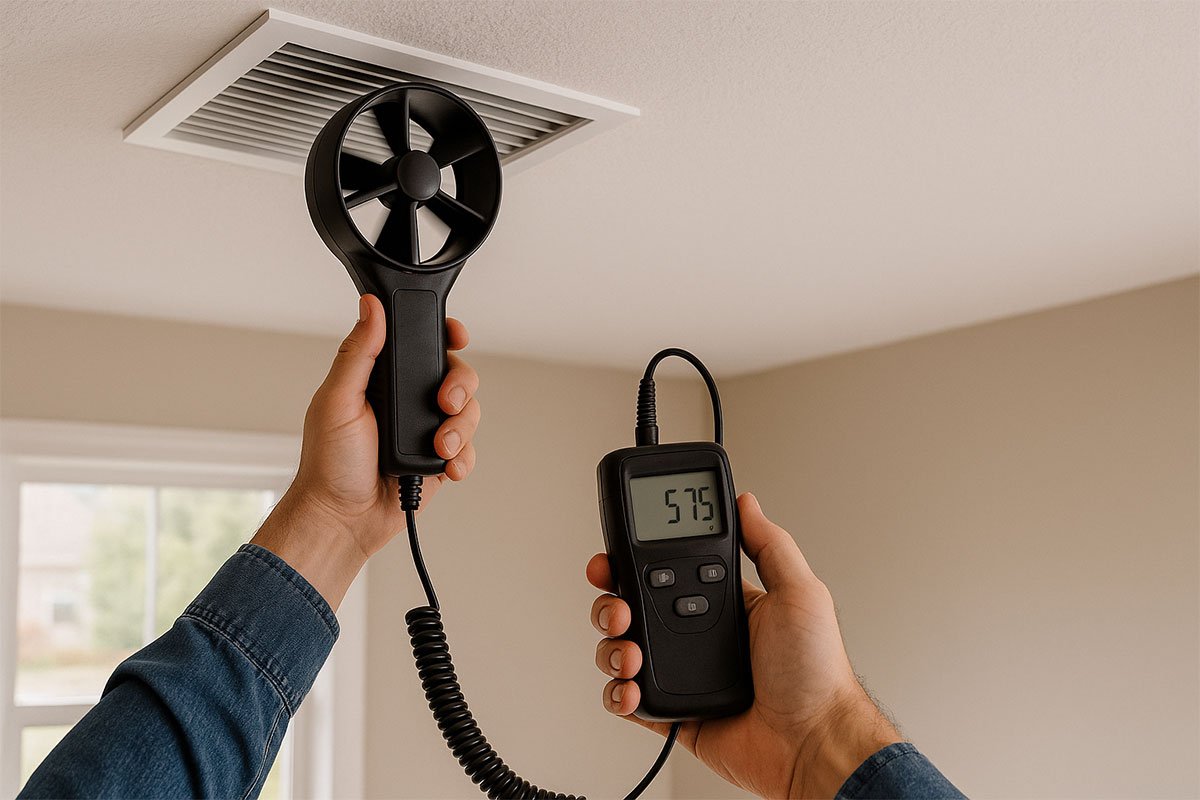
Airflow and ventilation determine how pollutants spread or settle. Homes with stagnant air trap odors and particulates, while well-ventilated homes dilute pollutants rapidly. Bedrooms, closets, home offices, and basements are particularly prone to stagnation. Improving airflow with fans, open doors, and continuous HVAC circulation helps redistribute air and reduce pollutant buildup.
Cooking deserves special emphasis because it is one of the most significant contributors to indoor particulate pollution. Frying, especially with oils that reach high temperatures, releases large amounts of PM2.5 and ultrafine particles. Gas stoves release nitrogen dioxide, which can exacerbate asthma and respiratory symptoms. Proper ventilation is essential—range hoods must vent outside; recirculating hoods are far less effective at removing pollutants.
Cleaning routines also require attention. Spraying cleaners directly onto surfaces aerosolizes chemicals into the air. Switching to microfiber cloths dampened with water, using pump sprayers instead of aerosols, and choosing low-VOC products reduce airborne chemical load. Even laundry scents can linger in indoor air; using fragrance-free detergents and ensuring adequate ventilation minimizes these emissions.
One often-overlooked factor is sleeping with closed doors. CO₂ levels in bedrooms can rise significantly overnight. Even with clean air, high CO₂ causes the sensation of “stuffy” air upon waking. Leaving doors partially open, using a mechanical ventilation system, or running the HVAC fan overnight reduces CO₂ buildup and improves morning air freshness.
Ultimately, indoor air quality reflects the cumulative effects of thousands of small daily actions. Homes with consistent ventilation, moisture control, good cleaning practices, and pollutant-reducing habits maintain cleaner, fresher, healthier indoor environments. Homes with poor ventilation and high activity levels often develop odors, stuffiness, particulates, and humidity issues that persist.
By understanding how daily activities influence air quality—and making small adjustments to routines—homeowners can dramatically improve the air they breathe.
Scientific Sources
- Environmental Protection Agency (EPA) – Sources of Indoor Air Pollution
https://www.epa.gov/indoor-air-quality-iaq - ASHRAE – Residential Ventilation & Indoor Air Standards
https://www.ashrae.org - Centers for Disease Control and Prevention (CDC) – Indoor Environmental Quality
https://www.cdc.gov/niosh