Sources, Science & Long-Term Prevention
Dust is one of the most persistent household problems, affecting indoor air quality, cleanliness, comfort, and even health. Homeowners often assume dust comes primarily from outdoor soil or dirt tracked into the house, but scientific research shows that most household dust originates from indoor sources: shedding skin cells, fabric fibers, pet dander, dust mites, pollen, microbial fragments, cooking particles, and degraded household materials. Dust accumulates continuously because normal human activity—walking, sitting, cooking, vacuuming, and even breathing—disturbs microscopic particles and keeps them circulating through the air.
Dust is more than a cosmetic issue. It influences respiratory comfort, carries allergens, and acts as a reservoir for bacteria, mold spores, environmental toxins, flame retardants, pesticides, and VOCs emitted by household materials. Scientific analyses show that indoor dust can contain hundreds of chemical compounds from furniture, electronics, flooring, cleaning products, and personal-care items. Because dust is a mixture of organic and inorganic materials, reducing it requires a multi-layered approach that targets its sources, its movement, and its accumulation on surfaces.
Homes accumulate dust at different rates depending on ventilation, humidity, HVAC filtration, outdoor air quality, number of occupants, type of flooring, cleaning frequency, and presence of pets. Carpets, in particular, act as both a dust source and a dust reservoir: fibers break down over time, releasing tiny particles, while also trapping airborne dust that becomes resuspended whenever someone walks across them. Central heating and cooling systems also influence dust levels—poor filtration allows dust to recirculate through the home, while clogged filters create airflow imbalances that cause dust to settle unevenly.
The science behind dust movement is strongly related to airflow and electrostatic forces. Warmer air rises, carrying dust upward; cooler air sinks, bringing dust toward the floor. Foot traffic creates pressure waves that push dust out of carpets and into the air. Even making a bed releases a cloud of microparticles. Understanding how dust behaves helps identify strategies that reduce dust production, prevent resuspension, and improve long-term indoor air quality.
To gain clarity on the sources of dust in a typical home, the following list breaks down the main contributors based on environmental health research.
Major Sources of Household Dust
- Skin cells & human debris: Humans shed millions of skin cells daily
- Textile fibers: Clothing, bedding, curtains, carpets, and upholstery
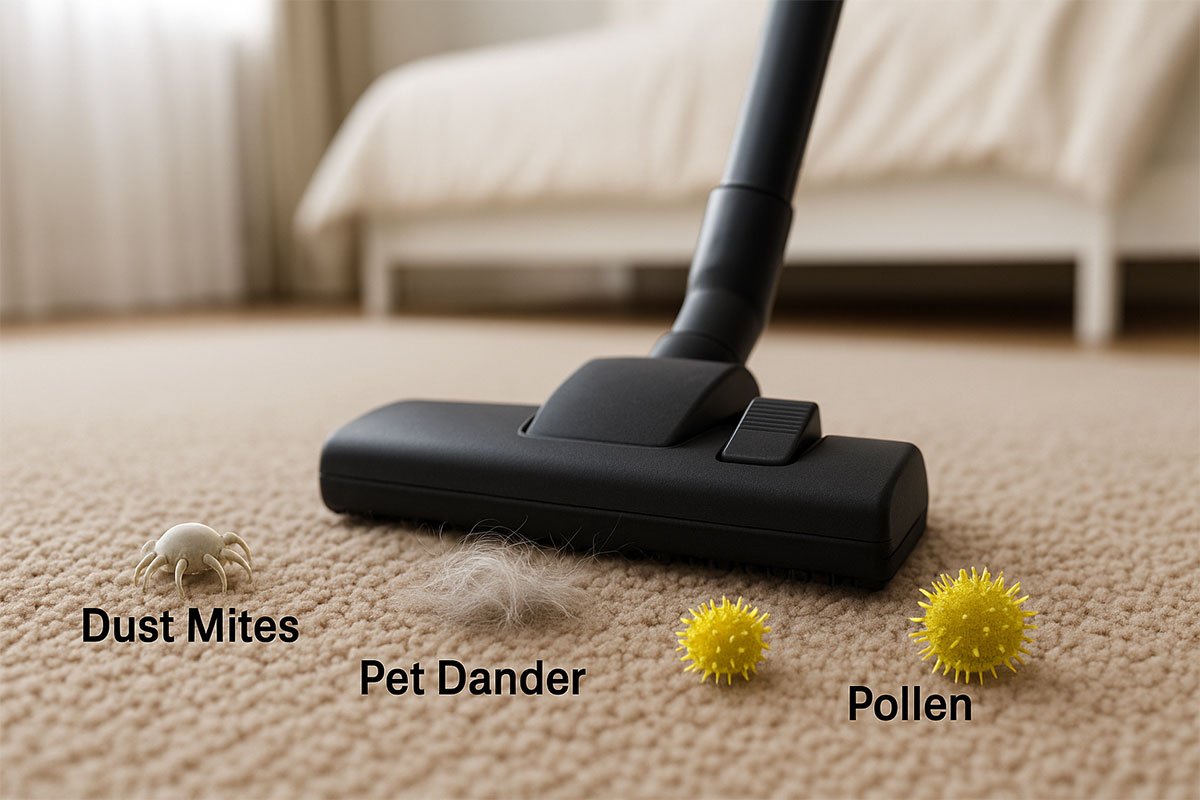
- Pet dander & fur: Particularly in multi-pet homes
- Dust mites: Living organisms and their fecal particles
- Outdoor particles: Pollen, soil, vehicle exhaust, fine particulate matter
- Insect debris: Microscopic fragments from insects and spiders
- Cooking particles: Combustion byproducts, oils, and smoke
- HVAC dust: From ducts, filters, and air returns
- Household chemicals: Flame retardants, microplastics, VOC-bound particles
This list makes one thing clear: dust is extremely complex, and reducing it requires addressing multiple factors simultaneously. The goal is not to eliminate dust completely—an impossible task—but to significantly reduce its overall presence, especially in bedrooms and living spaces where people spend the most time.
The first half of any effective dust-reduction strategy is understanding how dust enters and circulates. Once this is understood, prevention becomes far easier. For example, opening windows during high-pollen seasons introduces substantial amounts of outdoor dust. Using low-quality HVAC filters allows fine particulate matter to recirculate. Excess humidity encourages dust mite growth, while very low humidity creates electrostatic conditions that actually increase dust movement by causing particles to cling to surfaces and become airborne more easily.
The next list outlines foundational strategies scientifically proven to reduce dust accumulation over time.
Scientifically Supported Ways to Reduce Dust at Home
- Upgrade HVAC filters to MERV 11–13 if compatible
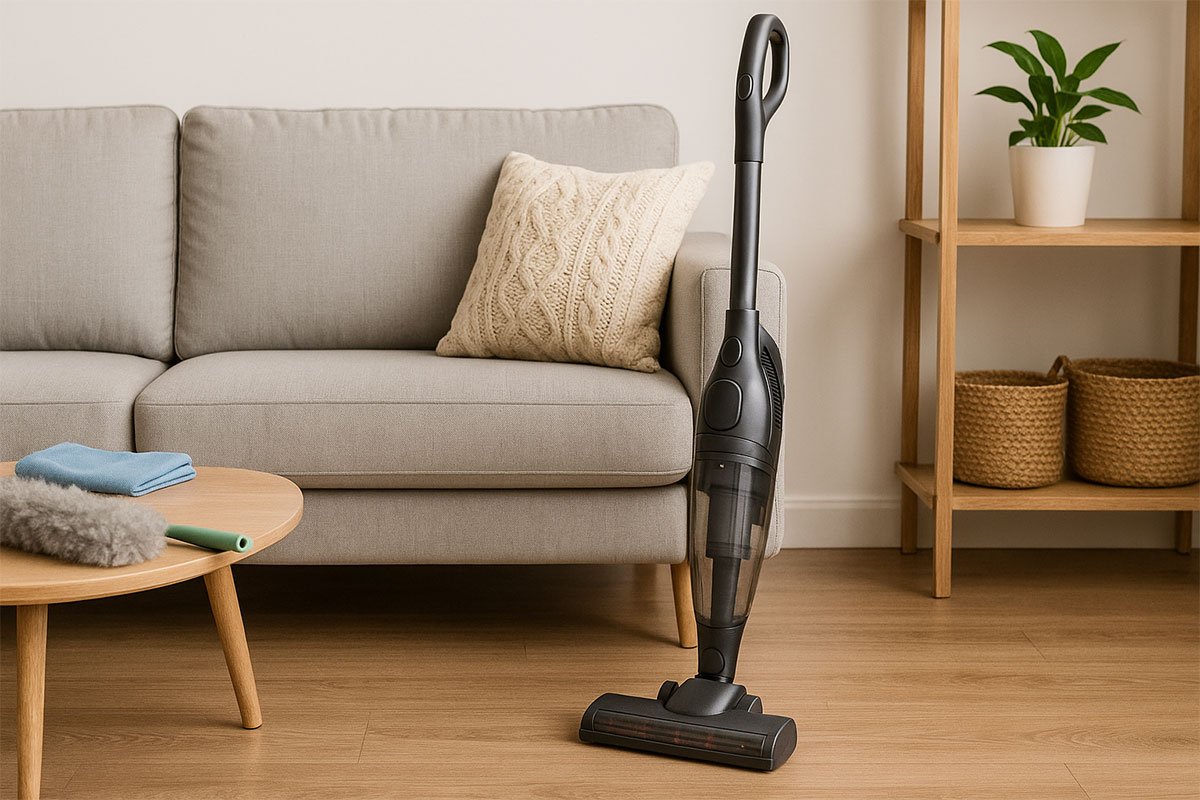
- Vacuum frequently with a true HEPA vacuum
- Use a mattress and pillow encasement to reduce dust mite reservoirs
- Keep indoor humidity between 35–50%
- Wash bedding weekly in hot water (at least 130°F / 54°C)
- Brush and bathe pets routinely to reduce shedding
- Use doormats and remove shoes indoors
- Wipe surfaces with microfiber cloths that trap particles electrostatically
- Seal air leaks around windows and doors
- Clean or replace air vents and returns every few months
These methods address both dust generation and dust circulation. For example, a high-quality HVAC filter captures airborne particles before they settle. Microfiber cloths are far more effective than cotton rags because of their electrostatic charge. Weekly hot-water washing reduces dust mites and skin particles in bedding. And humidity control minimizes both dust mite activity and static electricity, reducing particle movement.
The second half of the article focuses on deeper environmental strategies that prevent dust accumulation at the source. These involve structural or design decisions, as well as long-term cleaning habits.
Long-Term Dust Prevention Strategies
- Reduce fabric-heavy furnishings such as thick drapes, shag carpeting, and heavy upholstery
- Choose hard flooring (wood, vinyl, tile) in bedrooms to minimize dust reservoirs
- Add entryway systems with brush-style outdoor mats and indoor textile mats
- Clean ceiling fans, light fixtures, and high surfaces regularly
- Change HVAC filters more frequently if you have pets or allergies
- Use an air purifier with a HEPA filter in high-dust rooms
- Store seasonal clothing in sealed containers
- Declutter surfaces to reduce dust-collection zones
- Maintain proper ventilation to control humidity and airflow
Reducing dust is also about understanding how often overlooked surfaces contribute to accumulation. For example, ceiling fan blades collect thick layers of dust that become airborne as soon as the fan is turned on. Window blinds capture dust from both sides, particularly during warm months when windows are frequently opened. Upholstered furniture releases textile fibers constantly, contributing to dust in living areas. By preventing dust from accumulating in these reflexive sources, overall particulate levels drop noticeably.
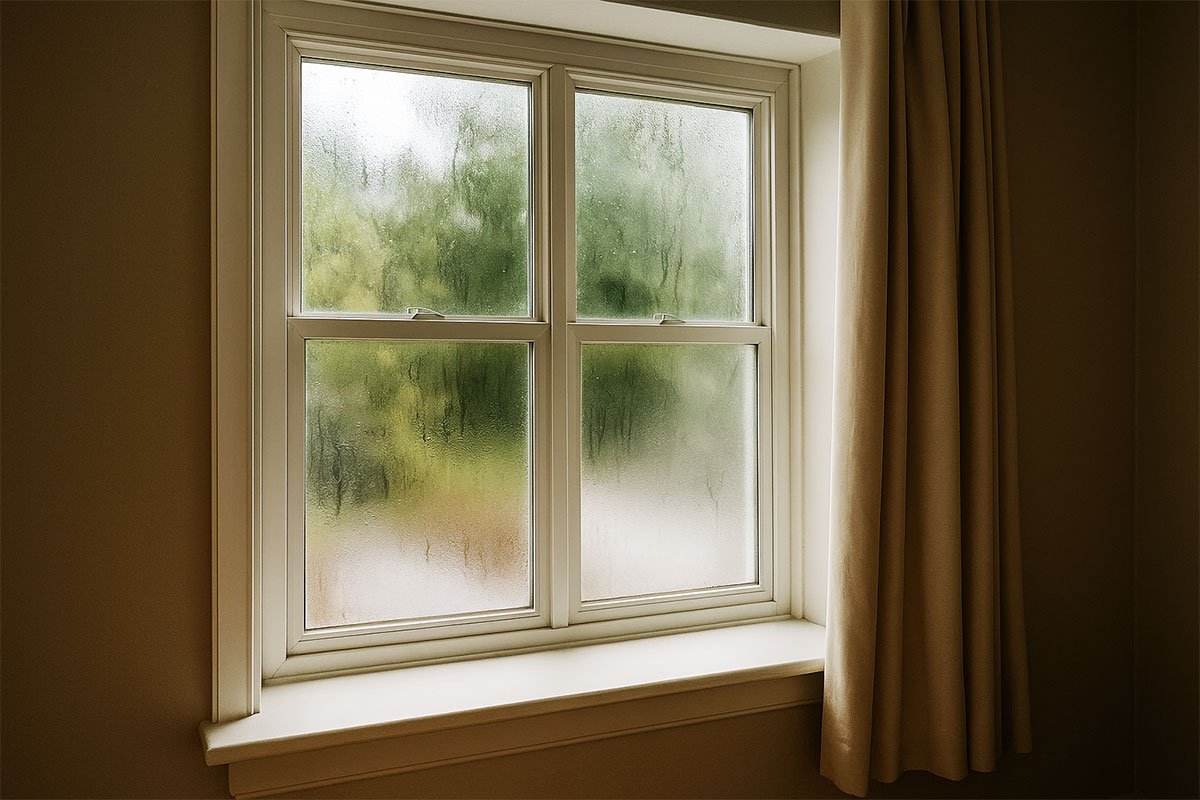
Humidity control plays a central role in dust reduction as well. Dust mites thrive in humidity above 50%, so maintaining 35–50% humidity reduces their population drastically. At the same time, extremely low humidity (below 30%) increases static electricity, causing dust to cling to surfaces yet become airborne when disturbed. Balanced humidity stabilizes the indoor environment, reduces dust movement, and improves respiratory comfort.
One of the most underestimated contributors to household dust is the HVAC system itself. If ducts are dirty, filters are low-quality, or air returns are dusty, the system will constantly redistribute particles. Regular filter replacement, duct cleaning (when needed), coil cleaning, and inspecting return vents can dramatically reduce dust levels. Homes with pets often need more frequent filter changes because fur and dander clog filters quicker.
Cooking also contributes significantly to household dust. Frying, broiling, and high-heat cooking generate fine particulate matter and oil droplets that settle as sticky dust. Using a strong range hood that vents outside—not a recirculating fan—is essential for keeping cooking particles out of the air. This is especially important in open-plan homes where kitchen air easily spreads into living rooms and hallways.
In addition to physical dust reduction, improving air circulation helps. Stagnant air allows dust to settle more quickly. Ceiling fans, when used correctly (spinning clockwise in winter and counterclockwise in summer), improve airflow and reduce stagnant zones in rooms. Portable HEPA air purifiers also help reduce airborne dust, especially in bedrooms, living rooms, and homes with multiple pets.
Ultimately, reducing dust is about maintaining a balanced indoor environment—proper humidity, controlled airflow, good filtration, and regular cleaning. Homes that manage these four factors experience significantly lower dust accumulation and better indoor air quality overall.
One of the most effective mindsets for dust control is consistency rather than intensity. Regular low-effort cleaning prevents dust buildup that becomes overwhelming. Weekly vacuuming with a HEPA machine, frequent dusting with microfiber, monthly vent cleaning, and seasonal deep-cleaning of textiles keep dust levels under control year-round.
Reducing dust is not just about aesthetics—it’s about creating a healthier living environment. Dust contains allergens, bacteria, pollutants, and chemical residues. Homes with lower dust levels have fewer respiratory irritants, fewer allergy symptoms, and noticeably fresher air. By understanding dust scientifically and addressing its sources systematically, homeowners can achieve long-lasting improvements in indoor cleanliness and air quality.
Scientific Sources
- Environmental Protection Agency (EPA) – Indoor Air Pollution & Dust Composition
https://www.epa.gov/indoor-air-quality-iaq - National Institutes of Health (NIH) – Dust Mite Allergens & Indoor Pollutants Research
https://pubmed.ncbi.nlm.nih.gov - International Scientific Forum on Home Hygiene (IFH) – Dust, Allergens & Home Hygiene Studies
https://www.ifh-homehygiene.org