The Science of Mold, Bacteria, Dust, and Airflow in Home Ventilation
HVAC systems are designed to heat, cool, and circulate air throughout the home, creating a comfortable indoor environment year-round. Yet many homeowners eventually notice strange smells—musty, sour, smoky, chemical-like, or even “dirty sock” odors—coming directly from vents or from the system when it first turns on. While HVAC systems are essential for indoor comfort, they also create unique environmental conditions that can support microbial growth, trap dust and debris, and accumulate chemical compounds. When these contaminants interact with temperature, humidity, and airflow, odors begin to form and circulate throughout the home.
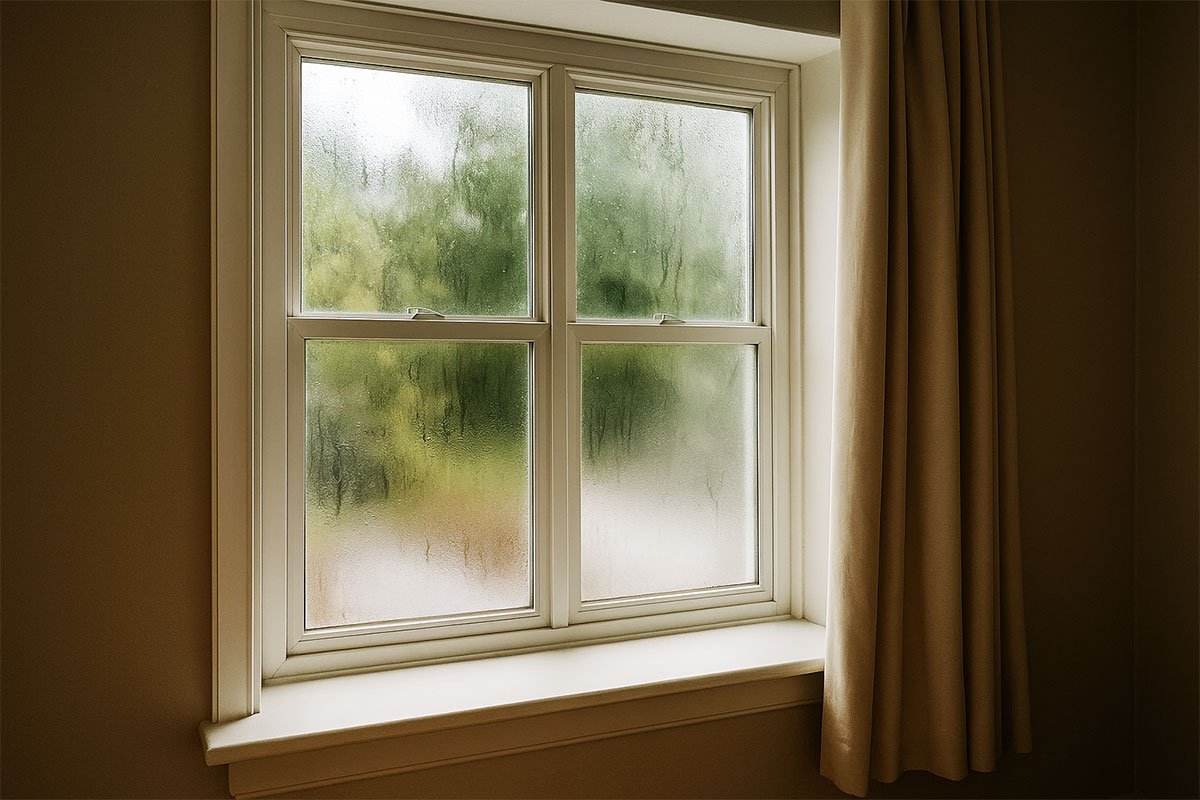
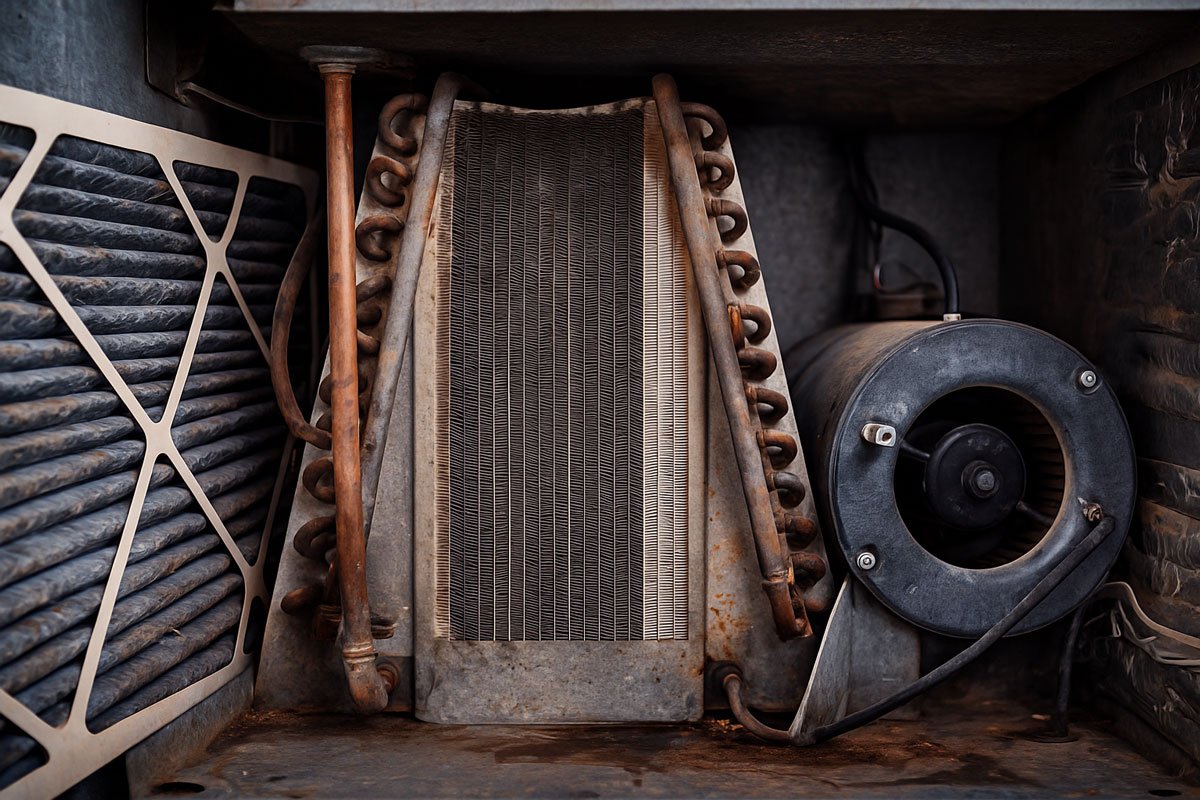
Understanding HVAC odors requires analyzing the system as an ecosystem, not simply a machine. An HVAC system contains coils, filters, drain pans, ducts, insulation, metal surfaces, and—in many homes—moisture-prone zones where condensation forms. When warm indoor air meets cold evaporator coils, water condenses, creating microclimates with high humidity. If air is stagnant or components remain damp for extended periods, microorganisms such as bacteria, mold, and mildew can colonize surfaces. Over time, these organisms produce VOCs (volatile organic compounds), metabolic byproducts, and organic acids responsible for strong odors.
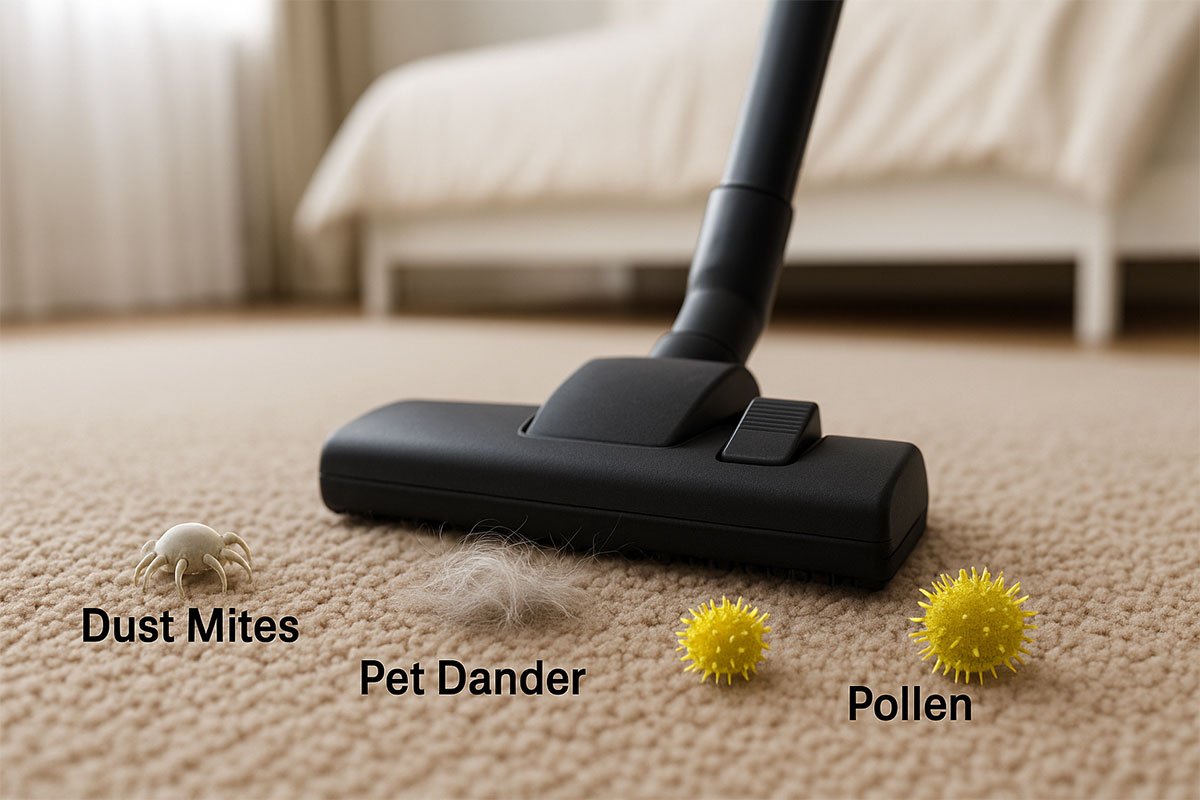
Dust plays a major role in odor development as well. Dust inside HVAC systems is not simply inert particles—it contains skin flakes, pet dander, textile fibers, pollen, fungi, bacteria, and microscopic debris that feed microbial communities. When moisture meets dust, the mixture becomes a nutrient-rich substrate for biological activity. HVAC filters are supposed to capture airborne particles, but many households use filters that are too thin, expired, or improperly fitted. As a result, dust bypasses the filter, coating the blower motor, coils, and ducts. Once dust accumulates, odors intensify when the system heats up or cools down.
Another major contributor to HVAC odors is airflow dynamics. A well-functioning system maintains consistent, balanced airflow. But when ducts leak, vents are closed, or filters are clogged, airflow becomes uneven. Stagnant air pockets inside ducts create warm, humid zones where odors grow stronger. Meanwhile, pressure imbalances can pull air from undesirable areas—crawlspaces, attics, basements—into the system, adding smells from insulation, soil gases, or old building materials.
To understand what causes HVAC odors, it helps to categorize them based on their scent profile and underlying scientific mechanisms. The following list provides a clear breakdown of the most common HVAC system odors and what they typically indicate.
Common HVAC Odors & Their Scientific Causes
- Musty or moldy odor:
- Caused by mold/mildew growth on coils, in drain pans, or inside ducts
- Excess humidity, poor drainage, or clogged condensate lines contribute
- “Dirty sock syndrome”:
- Bacteria and mold growth on evaporator coils during seasonal changes
- Typically occurs in early spring or fall
- Burning dust smell:
- Dust accumulation on heat exchangers after long periods of inactivity
- Common when turning on heat for the first time each winter
- Chemical or “paint-like” smell:
- VOCs evaporating from new duct liners, insulation, or household cleaners
- Refrigerant leaks in rare cases
- Rotten egg or sulfur smell:
- Natural gas leak (dangerous—requires immediate attention)
- Or bacteria in stagnant water inside drain pans
- Sour or urine-like odor:
- Bacterial contamination in HVAC drain pans or filters
- Sometimes related to rodent activity in ducts
- Smoke or burnt odor:
- Electrical issues in motors or wiring
- Dust burning off heat strips or coils
Identifying these odors is the first step. The second step is understanding the internal conditions of the HVAC system that allow these odors to form. Many of these conditions relate to moisture, dust, airflow, and temperature—factors that can be controlled with proper maintenance.
To illustrate the internal causes in more detail, the next list outlines the most common structural or environmental issues that promote HVAC odor development.
What Causes Odors Inside an HVAC System
- Clogged or old air filters that allow dust and organic debris to circulate
- Dirty evaporator coils coated with biofilm or microbial growth
- Standing water in drain pans or clogged condensate lines
- Leaky ducts drawing air from moldy attics or dusty crawlspaces
- High indoor humidity that encourages microbial activity
- Undersized or oversized HVAC systems causing poor dehumidification
- Uninsulated ducts leading to condensation and mold growth
- Pet dander accumulation in return ducts
- Improperly balanced airflow creating stagnant zones inside ductwork
Air conditioning systems in particular face unique challenges. Evaporator coils operate at temperatures low enough to cause condensation, which must drain properly through a system of pans and lines. When these become clogged, water stagnates and quickly becomes a breeding ground for bacteria. Many bacteria that colonize condensate pans produce organic acids or sulfur compounds—both responsible for strong, unpleasant odors. In winter, when heating systems run, microbial growth on coils can dry out and release concentrated odors when warmed, making smell intensity fluctuate with seasonal HVAC usage.
Heating systems also produce distinctive odors. Furnaces that burn natural gas release a small number of combustion byproducts, but they are normally vented outdoors. If a furnace smells strongly of gas, this indicates a dangerous leak. More commonly, homeowners notice a burnt smell when heating is used for the first time in winter. This occurs when dust on heat exchangers burns off. While this is usually harmless, excessive dust buildup indicates poor filtration or duct cleanliness.
HVAC odors can also result from external contamination. If rodents enter ducts, their urine and droppings create strong ammonia-like odors. Dead rodents produce severe smells that spread through the entire system. Ducts passing through damp crawlspaces or basements can absorb odors from soil, mildew, or insulation. Air handlers installed in garages may circulate fuel or chemical odors if the space is not properly sealed.
Because HVAC system odors originate from diverse sources, effective mitigation depends on identifying the root cause. The following list outlines the scientifically grounded methods recommended by environmental health experts and HVAC organizations for reducing and preventing odors.
How to Prevent HVAC Odors
- Replace filters every 1–3 months based on usage and home conditions
- Clean evaporator coils annually to remove biofilm and microbial buildup
- Clear condensate drain lines to prevent standing water
- Use a high-quality pleated filter or upgrade to a MERV 11–13 filter if compatible
- Seal leaky ducts to prevent drawing air from dusty or moldy areas
- Use UV-C lights in the air handler to reduce microbial growth on coils
- Maintain indoor humidity between 30–50%
- Ensure proper insulation on ducts in unconditioned spaces
- Schedule annual HVAC inspections to detect early issues
- Avoid storing chemicals near the air handler
These preventative measures address the system’s moisture, airflow, and particulate load—three variables that determine whether odors will develop.
An important element of odor control is understanding how HVAC components interact with the home environment. For example, high indoor humidity—above 50%—increases the likelihood of mold growth in ducts, coils, and insulation. Conversely, humidity that’s too low can lead to dust becoming easily airborne and circulating more heavily through the system. That’s why humidity control is critical: balanced humidity reduces allergen activity, stabilizes airborne dust, and helps the HVAC system run more efficiently.
Filtration is another major factor. Thin fiberglass filters allow large amounts of dust to pass through the system. Upgrading to pleated filters improves particle capture dramatically. However, filters must be compatible with the system—filters that are too dense can restrict airflow, causing coil freezing or overheating. For homes with severe allergies or strong odor issues, HEPA bypass cleaners or whole-home purifiers attached to the HVAC system offer significant advantages.
It’s also worth addressing misconceptions. Many homeowners try scented “HVAC air freshener pads” or attach fragrance strips to filters. These products simply mask odors rather than addressing underlying microbial growth—and the added chemicals often increase VOC levels and worsen indoor air quality. True odor elimination requires cleaning, maintenance, and airflow improvements, not fragrances.
Ultimately, HVAC odors arise when the system’s internal ecosystem becomes imbalanced. A clean, dry, well-maintained HVAC system should not produce noticeable smells. Persistent odors signal moisture problems, microbial growth, dust accumulation, or airflow issues that require attention. Addressing these root causes not only eliminates odors but also improves indoor air quality, reduces allergens, and enhances HVAC efficiency and longevity.
Homeowners who approach HVAC odors scientifically—rather than masking them with scents—gain cleaner, healthier, and more comfortable indoor environments. A properly maintained HVAC system should circulate fresh, neutral air, free of unpleasant odors. With the right preventive strategies, most odor problems can be solved or avoided entirely.
Scientific Sources
- Environmental Protection Agency (EPA) – Indoor Air Quality & HVAC Contamination
https://www.epa.gov/indoor-air-quality-iaq - ASHRAE – HVAC Hygiene, Filtration & Mold Prevention Standards
https://www.ashrae.org - Centers for Disease Control and Prevention (CDC) – Mold & Moisture in HVAC Systems
https://www.cdc.gov/mold