The Physics of Heat, Humidity & Chemical Emissions
Indoor temperature does far more than determine whether a home feels comfortable. Temperature directly influences humidity, chemical emissions, particulate behavior, microbial growth, dust movement, and even the physiological response of the human respiratory system. Although many homeowners adjust temperature purely for comfort or energy savings, the indoor temperature range also shapes air quality in measurable, scientifically observed ways. Understanding the relationship between heat, moisture, and air chemistry helps homeowners create healthier, cleaner indoor environments with fewer allergens, fewer odors, and better overall air stability.
One of the most important relationships in indoor air science is the connection between temperature and relative humidity (RH). Warm air can hold more water vapor than cool air. As temperature rises, the air’s capacity to hold moisture increases, which lowers the relative humidity unless additional moisture is added. Conversely, when temperature drops, air loses its ability to retain moisture, causing relative humidity to rise and increasing the likelihood of condensation. This constant interplay means that adjusting temperature without considering humidity can create environments ripe for mold, dust mites, microbial growth, and indoor pollutants.
Temperature influences the release of chemical emissions from building materials—a process known as off-gassing. VOCs (volatile organic compounds) evaporate more readily at higher temperatures. These compounds are found in paints, adhesives, flooring, furniture, cleaning products, cosmetics, and electronic devices. As temperatures rise, VOCs volatilize more rapidly, increasing airborne chemical concentrations. This is why new homes often smell strongest during warm weather and why room fragrances or cleaners seem stronger in summer. High indoor temperatures accelerate chemical emissions from nearly every household material.
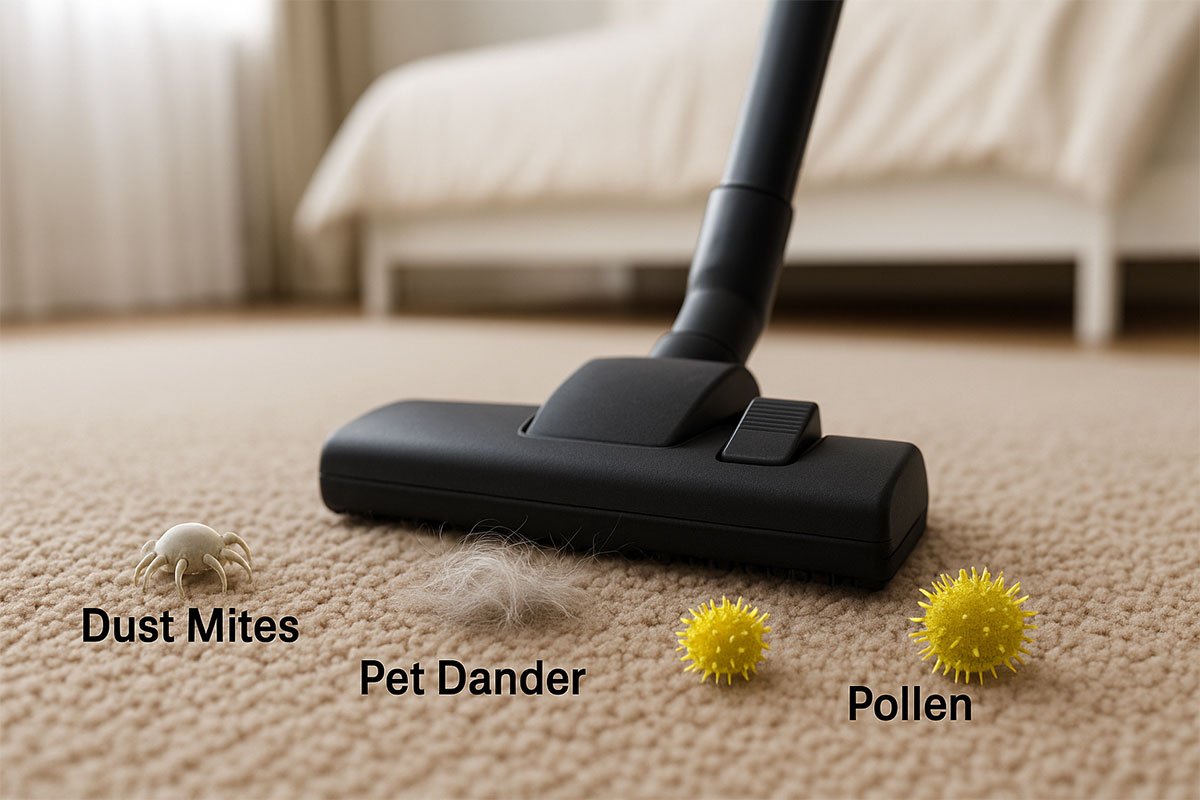
Microbial activity is also strongly temperature-dependent. Mold grows most rapidly between 77°F and 86°F (25–30°C), especially when humidity is elevated. Bacterial colonies in damp carpets, HVAC components, or under sinks become more active in warmer environments. Dust mites—one of the most significant indoor allergens—thrive at temperatures around 70–75°F combined with humidity above 50%. When indoor temperatures stay warm and humidity remains high, the home becomes a supportive environment for allergens and microbial contaminants.
Temperature also affects how dust behaves. Warm air currents facilitate particle movement, allowing dust to stay suspended longer. Hot, dry indoor air (common during winter heating) increases static electricity, causing dust to cling to surfaces yet detach unpredictably when disturbed. In contrast, cooler, humid rooms experience faster dust settling but are more prone to dust mite proliferation. Balancing temperature with humidity control reduces both dust movement and biological activity.
To understand how indoor temperature shapes air quality, the following list outlines the main mechanisms through which temperature influences pollutants, moisture, and airborne particulates.
How Indoor Temperature Affects Air Quality (Core Scientific Mechanisms)
- Changes relative humidity, influencing mold, dust mites, and comfort
- Accelerates VOC off-gassing from furniture, flooring, plastics, and paints
- Promotes microbial growth when combined with humidity
- ** Alters airflow patterns**, affecting dust movement and pollutant distribution
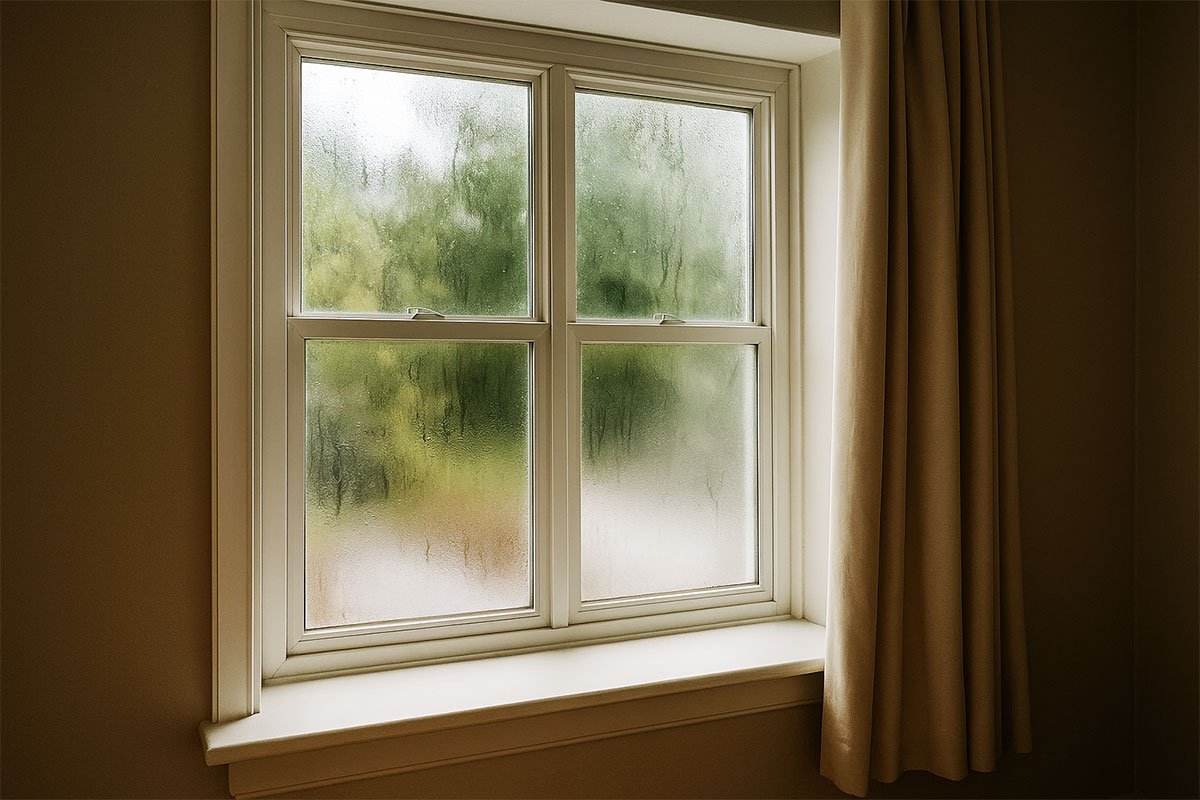
- Influences condensation, especially on cold windows or walls
- Impacts HVAC efficiency, which affects ventilation and filtration
- Changes human breathing comfort, impacting perceived air quality
Different seasons create different temperature-driven air-quality problems. In winter, indoor temperatures rise while humidity drops due to heating. Dry air irritates the eyes, nose, throat, and respiratory tract. Mucous membranes dry out, making people more susceptible to viruses and airborne pathogens. Low humidity also causes wood floors to shrink, paint to crack, and dust to become more airborne due to static electricity. But because humidity is low, mold growth typically slows, although condensation can form on cold windows or exterior walls, creating localized moisture problems.
In summer, high temperatures and high outdoor humidity combine to create indoor air that may feel damp and heavy if air conditioning is insufficient. In these conditions, mold grows more readily, VOC emissions from building materials spike, and dust mites reproduce rapidly. Air conditioning helps reduce humidity, but if the HVAC system is undersized, improperly maintained, or run intermittently, humidity can remain above safe levels. Homes without air conditioning rely heavily on ventilation, but humid outdoor air often makes musty odors and microbial growth worse.
Temperature gradients inside a home also influence air quality. Warm air rises to upper floors, carrying dust, VOCs, and moisture upward. Cooler lower floors may experience condensation on walls or floors during humid weather. Temperature differences between rooms lead to uneven humidity distribution, with closed-off rooms often developing musty odors due to stagnation.
HVAC systems are deeply affected by temperature. Heating dries indoor air, while cooling removes moisture through condensation on coils. When coils are too small or air moves too quickly across them, the system fails to dehumidify properly. When temperatures fluctuate rapidly, the HVAC system may short cycle, reducing airflow and filtration effectiveness. This leads to stagnant air, uneven cooling, poor humidity balance, and increased pollutant concentration.
A major aspect of temperature-driven air quality is material interaction. Many household materials absorb and release moisture depending on temperature. Wood, for example, expands and contracts as temperature changes, sometimes releasing odors or VOCs from finishes or adhesives. Carpets trap humidity and release musty odors when temperatures rise. Fabrics absorb moisture in humid conditions and become odor reservoirs. Plastic materials release more VOCs at higher temperatures due to increased molecular activity.
To manage indoor temperature intelligently, it’s important to understand the range in which temperature supports healthy indoor air quality. Environmental and building science organizations recommend maintaining indoor temperatures within a controlled bracket to minimize both microbial growth and VOC emissions. The next list identifies the actionable temperature ranges that optimize indoor air stability.
Recommended Indoor Temperature Ranges for Better Air Quality
- Winter: 68–72°F (20–22°C)
- Summer: 73–77°F (23–25°C)
- Humidity target: 30–50% year-round
- Avoid temperatures above 80°F indoors for extended periods
- Avoid abrupt temperature swings which destabilize humidity balance
Temperature control works best when combined with humidity and ventilation strategies. A thermostat by itself cannot ensure healthy air unless humidity and airflow are also managed. For example:
- A room at 72°F and 65% humidity is far worse for air quality than a room at 77°F and 45% humidity.
- A room at 67°F with condensation on cold walls may grow mold despite cool temperatures.
- A room at 75°F with poor ventilation will accumulate VOCs faster than a room at the same temperature with active airflow.
This interdependence is why balanced temperature management is essential.
The second half of the article focuses on practical strategies homeowners can use to maintain temperature conditions that support good indoor air quality.
How to Use Temperature to Improve Indoor Air Quality
- Run HVAC systems consistently, avoiding frequent shut-offs
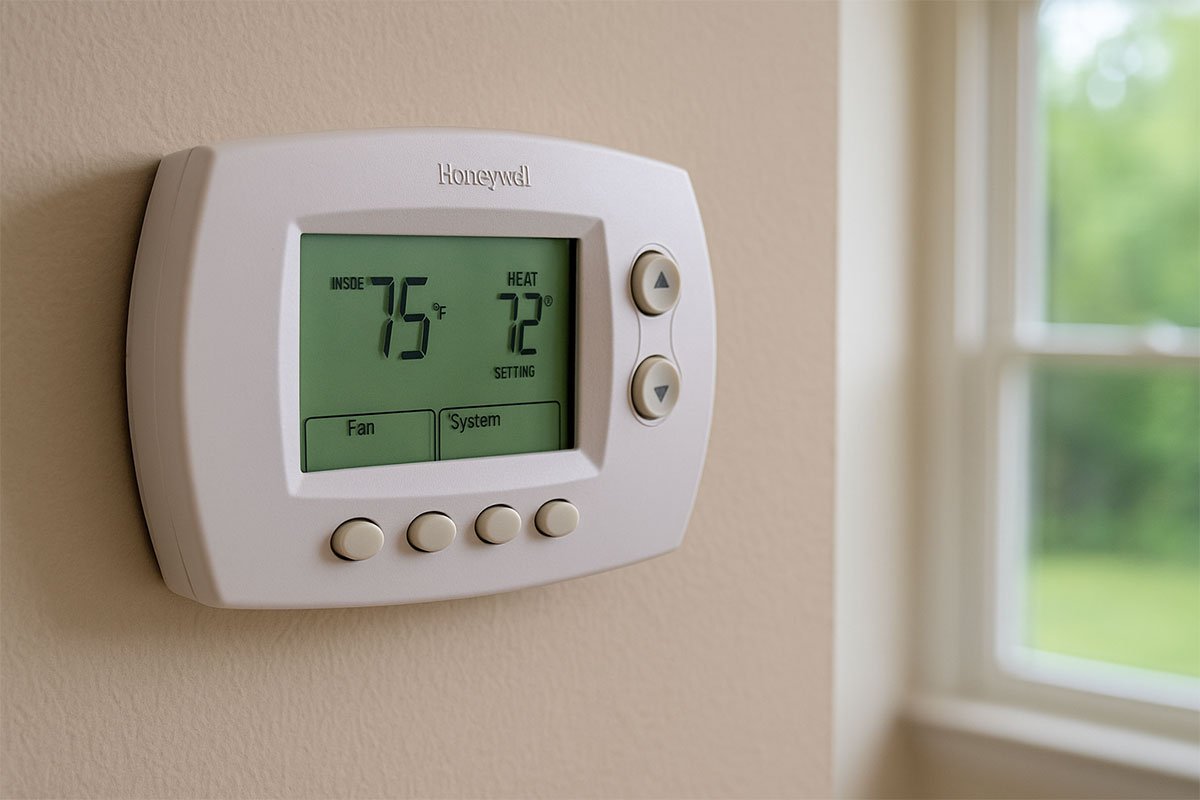
- Use programmable thermostats to maintain stable temperatures
- Improve home insulation to reduce cold-surface condensation
- Ensure proper HVAC sizing, especially in humid climates
- Run ceiling fans to improve air circulation and prevent stagnant zones
- Avoid raising temperatures too high in summer, which increases VOC emissions
- Use kitchen and bathroom exhaust fans to remove heat-related humidity
- Check attic and crawlspace ventilation, which affects home-wide temperature balance
- Open interior doors regularly to equalize temperature between rooms
- Avoid indoor heating sources that increase emissions, such as poorly vented combustion appliances
Understanding temperature’s role in indoor air quality also helps homeowners interpret other air-related symptoms. For example:
- If a room smells musty only in summer, the cause is likely high humidity interacting with warm temperatures.
- If condensation forms only in winter, temperature differences are a major factor.
- If chemical odors intensify during warm days, VOC off-gassing is occurring.
- If dust becomes unmanageable in winter, heating-driven dryness is likely to blame.
The key principle is that temperature controls air capacity, surface temperature, and chemical behavior, which collectively determine how healthy or polluted a room feels.
Ultimately, indoor temperature is not just a comfort metric—it is a biological, chemical, and physical driver of indoor air quality. By maintaining stable temperatures, controlling humidity, improving airflow, and understanding how heat interacts with materials and pollutants, homeowners can dramatically improve the cleanliness, freshness, and overall healthfulness of their indoor environment.
Scientific Sources
- Environmental Protection Agency (EPA) – Indoor Air Quality Basics
https://www.epa.gov/indoor-air-quality-iaq - ASHRAE – Thermal Comfort & Indoor Air Standards
https://www.ashrae.org - National Institutes of Health (NIH) – VOC Emissions & Environmental Exposure Research
https://pubmed.ncbi.nlm.nih.gov