Moisture, Ventilation & Hidden Risk Zones
Mold is one of the most persistent indoor environmental problems, affecting health, comfort, structural materials, and overall air quality. While visible mold is easy to identify, the conditions that allow mold to grow—moisture, warmth, organic material, and stagnant air—are often hidden behind walls, under carpets, inside HVAC systems, or in poorly ventilated areas. Mold spores are always present in outdoor air and naturally enter homes through open windows, doors, ventilation, and on clothing. What determines whether mold becomes a real problem indoors is the moisture level and the home’s ability to control it.
Mold growth is fundamentally a moisture problem, not a dirt problem. Even clean homes can develop mold if humidity is too high or if water accumulates through leaks, condensation, or absorption into building materials. Once mold finds a moist environment, it releases enzymes to digest organic matter such as cellulose, dust, wood, drywall paper, carpet backing, and fabrics. As mold grows, it releases spores and microbial volatile organic compounds (mVOCs), which are responsible for the musty smell often associated with moldy areas. These compounds can irritate the respiratory system, trigger allergies, and aggravate asthma.
Humidity plays a central role in mold behavior. Scientific studies show that mold begins to grow when indoor humidity consistently exceeds 60% and thrives in humidity above 70%. Even short periods of elevated humidity—such as during long showers or from drying clothes indoors—can fuel mold growth on susceptible surfaces. Conversely, maintaining indoor humidity between 30% and 50% substantially reduces mold risk. Temperature also matters: although mold can grow in cold environments, it thrives between 77°F and 86°F (25–30°C), particularly in stagnant air.
Understanding where mold grows is the first step toward preventing it. Kitchens, bathrooms, basements, and laundry rooms are the most obvious hotspots, but mold frequently develops in hidden areas where moisture accumulates unnoticed. The following list highlights the most common household locations where mold grows based on building-science and environmental-health research.
Common Mold Growth Hotspots in Homes
- Bathrooms:
Shower walls, grout, ceilings, behind toilets, under sinks, inside exhaust fans - Kitchens:
Under sinks, behind refrigerators, around dishwashers, under leaking pipes - Basements & crawlspaces:
Concrete walls, floor joists, insulation, sump pump areas - Bedrooms & living areas:
Window sills, HVAC vents, carpets, closets, behind furniture - Laundry rooms:
Washing machine gaskets, dryer vents, uninsulated walls - Attics:
Roof leaks, condensation on rafters, improperly vented bathrooms - HVAC systems:
Evaporator coils, drip pans, ducts, fiberglass insulation
What triggers mold growth in these areas is generally a mix of moisture and poor air exchange. For example, bathrooms often lack powerful exhaust fans, allowing steam to linger. Kitchens with recirculating range hoods trap moisture from cooking. Basements suffer from groundwater seepage, poor ventilation, and cold walls that create condensation. Attics accumulate moisture from roof leaks, warm air rising from the home, or ducts that leak humid air into the space.
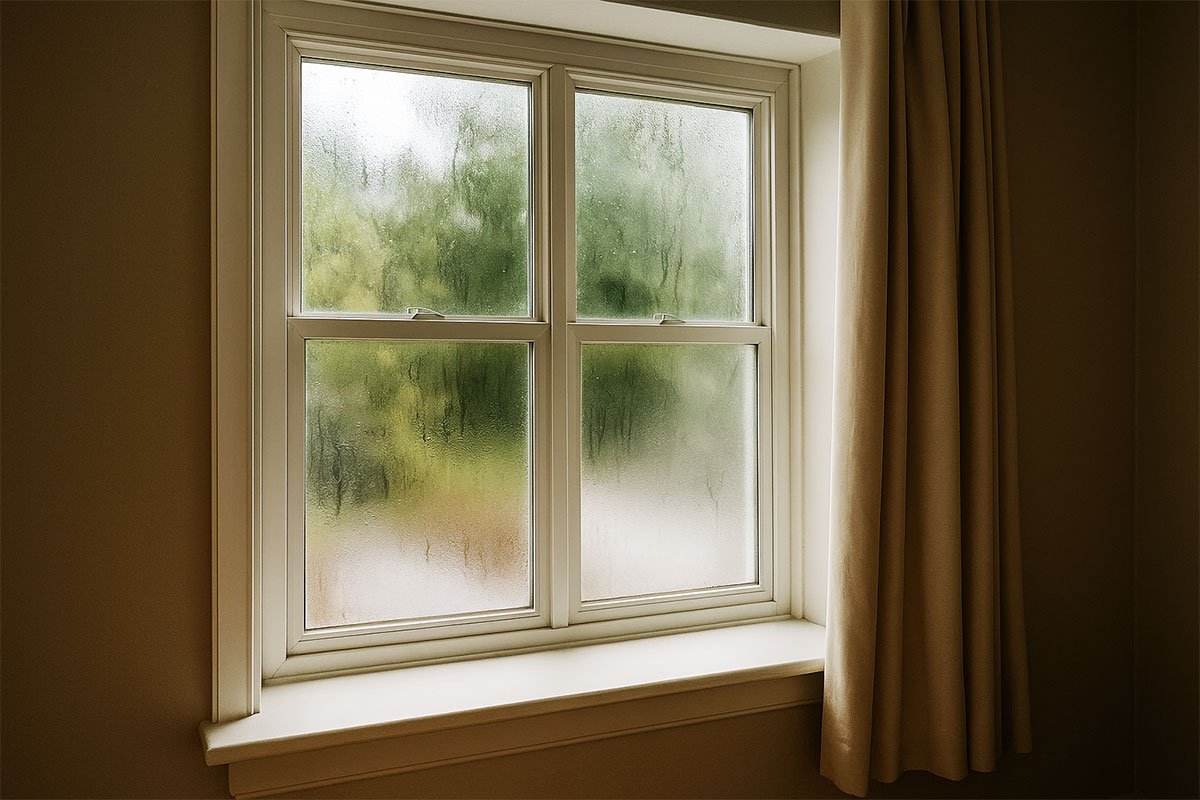
Water leaks are one of the leading causes of mold. Slow leaks—such as dripping sink pipes, sweating toilet tanks, or small roof breaches—are often worse than large leaks because they remain unnoticed for months. Persistent dampness allows mold to grow deep inside building materials, making remediation far more difficult. Condensation is another major contributor. Cold surfaces such as windows, pipes, or uninsulated walls collect moisture when warm indoor air touches them. Over time, condensation saturates surrounding areas, feeding mold.
To control mold, homeowners must address moisture sources proactively. The next list outlines the most effective scientifically supported strategies for preventing mold growth.
How to Prevent Mold Growth: Core Strategies
- Keep indoor humidity between 30–50% year-round
- Use exhaust fans in kitchens and bathrooms, running 15–20 minutes after use
- Repair leaks immediately—even small drips create major mold problems
- Increase ventilation by opening windows or using mechanical systems
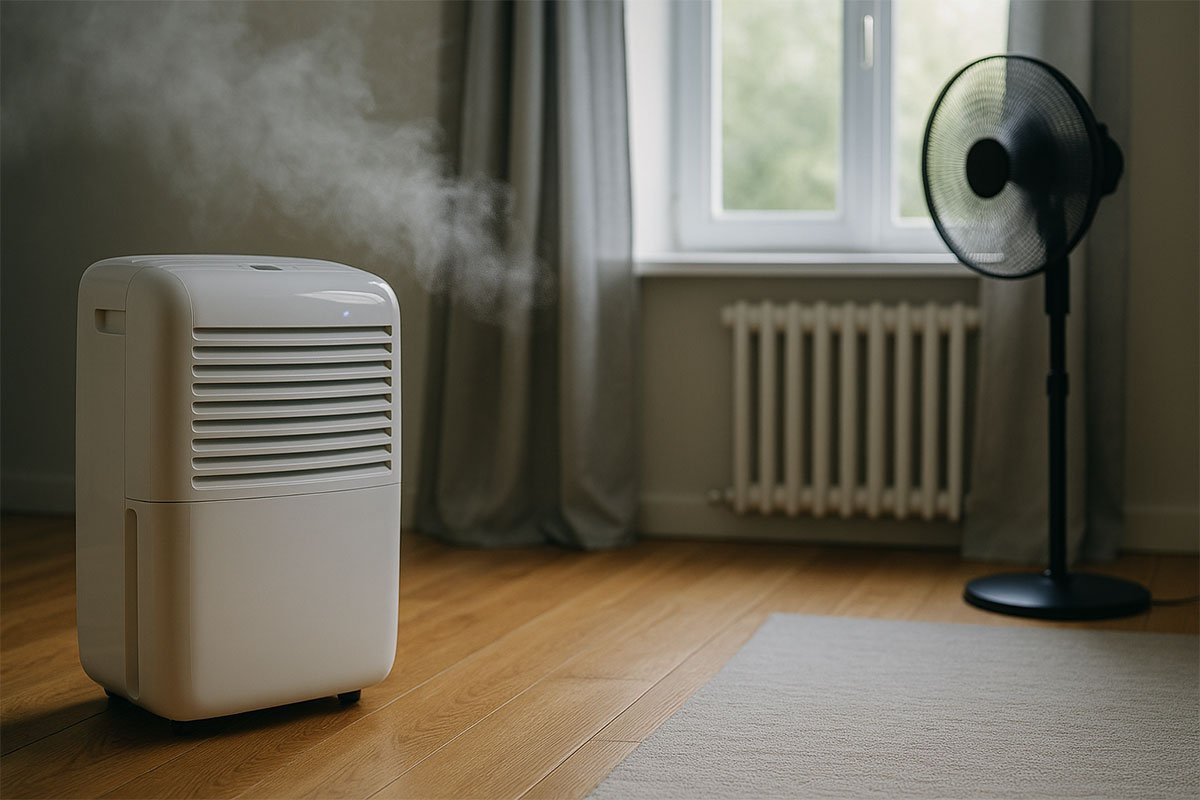
- Use a dehumidifier in basements, crawlspaces, or humid rooms
- Insulate cold surfaces to prevent condensation
- Maintain HVAC systems and clean coils and drip pans
- Use mold-resistant paint and materials in damp environments
- Keep furniture slightly away from walls to allow airflow
Humidity management remains essential. In humid climates, dehumidifiers may be necessary for several months each year. In cold climates, insulation and proper air sealing prevent condensation on windows and walls. Improved ventilation—either natural or mechanical—helps stabilize both humidity and temperature. Newer homes are built tightly for energy efficiency, which can worsen moisture problems if ventilation is insufficient. Installing balanced ventilation systems (HRVs or ERVs) helps prevent stagnant, moisture-filled air.
Bathrooms and kitchens are particularly important areas for moisture control. Using high-quality exhaust fans that vent outdoors—not into attics—is essential. Many older homes have weak fans or fans clogged with dust, reducing airflow dramatically. Upgrading to a higher CFM (cubic-feet-per-minute) fan improves moisture removal. Shower curtains, tiles, and grout should be regularly cleaned and dried to prevent biofilm buildup. Kitchens benefit from range hoods that vent outside, especially when boiling water or cooking high-moisture meals.
Basements require special attention because humidity tends to rise through the foundation from the soil. Dehumidifiers, sump pumps, vapor barriers, and proper insulation help maintain dryness. Crawlspaces are notorious for mold, especially if they contain dirt floors. Encapsulation and vapor barriers transform crawlspaces into conditioned, dry environments that prevent mold from entering the home’s air supply.
HVAC systems are often overlooked yet play a critical role in mold spread. Evaporator coils create condensation during cooling cycles, and if drip pans are clogged, water pools and encourages mold growth. Dirty filters reduce airflow, increasing moisture production on coils. Leaky ducts in humid spaces can draw in moist air, enabling mold to grow inside duct insulation. Regular HVAC maintenance prevents these issues and stops mold from circulating through the home.
To address mold that has already started growing, homeowners must act strategically. The following list explains what to do when mold is discovered.
If You Find Mold: Immediate Actions
- Fix the moisture source first—the mold will return otherwise
- Clean small areas (<10 sq. ft.) with detergent and water
- Avoid bleach on porous materials, as it doesn’t penetrate deeply
- Use protective gear (gloves, masks) when cleaning
- Dry the area within 24–48 hours using fans or dehumidifiers
- Replace contaminated drywall, insulation, or carpet if mold is extensive
- Call a professional for large infestations or HVAC-related mold
Bleach is a common misunderstanding in mold cleaning. While it can disinfect non-porous surfaces such as tile or metal, it does not penetrate porous materials like drywall or wood, meaning mold roots can survive and regrow. Detergent, mechanical cleaning, and moisture elimination are more effective for most situations. Severely contaminated materials—especially drywall and carpet—must be removed rather than cleaned.
Long-term mold prevention hinges on understanding how buildings “breathe.” Airflow should follow a controlled path, ensuring fresh air enters and stale, humid air exits. Homes with inadequate ventilation experience indoor humidity spikes and slow drying times after cooking or bathing. HVAC systems should support air exchange rather than recirculating stagnant air.
Ultimately, reducing mold growth is not about perfect cleanliness—it’s about managing moisture. Mold spores exist everywhere, but without moisture, they cannot grow. By controlling humidity, improving ventilation, fixing leaks, and maintaining HVAC systems, homeowners can keep mold under control and create healthier indoor environments. Preventing mold is far easier than remediation and protects both home value and respiratory health.
Scientific Sources
- Environmental Protection Agency (EPA) – “Mold & Moisture”
https://www.epa.gov/mold - Centers for Disease Control and Prevention (CDC) – Mold Prevention & Indoor Dampness
https://www.cdc.gov/mold - ASHRAE – Humidity Control & Ventilation Standards
https://www.ashrae.org