Why Do Some Rooms Smell Musty? The Science of Microbial VOCs, Moisture & Airflow Problems
A musty smell is one of the most recognizable indoor odors. It’s the scent people associate with damp basements, old closets, rarely used guest rooms, or areas where humidity lingers for too long. While the odor is familiar, its underlying causes are far more complex than simply “a room that needs fresh air.” A musty smell is almost always a sign of microbial activity, whether from mold, mildew, bacteria, or organic materials that have begun to break down in the presence of moisture. These smells indicate that the room’s environmental conditions—humidity, temperature, ventilation, and material moisture content—are supporting microbial growth below the threshold of visible mold.
A musty odor is typically caused by microbial volatile organic compounds (mVOCs). These are gases and vapor-phase chemicals released by mold and bacteria during their natural metabolic processes. Unlike regular VOCs emitted by paint or furniture, microbial VOCs are byproducts of living organisms. They often have earthy, stale, or humid characteristics. They may smell like wet wood, old books, sweaty fabric, damp soil, or dirty laundry. Even when no visible mold is present, these compounds indicate that microorganisms are growing on surfaces, within materials, or in hidden pockets of humidity.
Humidity is the primary engine behind musty odors. When indoor humidity consistently exceeds 60%, building materials begin absorbing moisture from the air. Drywall, wood, carpets, fabrics, paper, insulation, and even dust become damp enough for microbes to feed and multiply. Many species of mold do not require standing water to grow—only prolonged dampness from humidity or condensation. Once moisture is present, microbial colonies release mVOCs that drift through the air, creating the telltale musty smell.
Ventilation plays an equally important role. Rooms without adequate airflow trap humidity, odors, and airborne particles, making small amounts of microbial activity far more noticeable. Stagnant air also prevents surfaces from drying, creating microclimates ideal for mold spores to settle and germinate. Even well-built homes can develop musty smells in closets, guest bedrooms, storage areas, basements, or rooms with closed doors simply because air is not circulating.
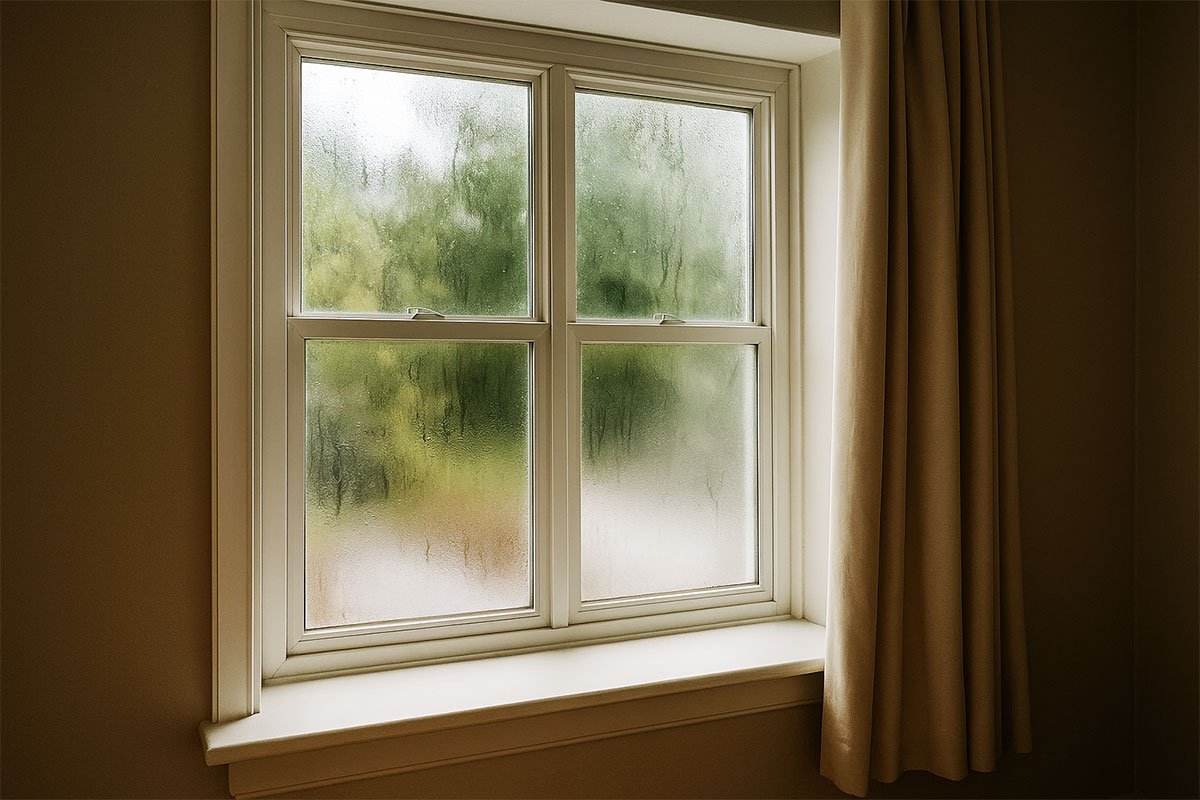
Temperature differences exacerbate the issue. Cooler surfaces such as exterior walls, windows, concrete slabs, or north-facing rooms condense moisture from warm indoor air. Over time, these cold surfaces remain damp longer than surrounding areas, promoting mold growth behind furniture, inside wall cavities, or under flooring. This explains why mustiness often originates in corners, closets, or low-traffic rooms.
Because musty odors are complex, it’s helpful to break down the science behind their most common causes. The following list summarizes the environmental and biological factors responsible for mustiness in homes.
Primary Causes of Musty Smells in Rooms
- High relative humidity (above 60%)
- Microbial growth (mold, mildew, bacteria) even without visible colonies
- Poor ventilation or stagnant air
- Cold surfaces causing condensation
- Moisture intrusion from leaks, condensation, or capillary action
- Damp materials (carpets, drywall, insulation, fabrics)
- Dust buildup providing nutrients for microbes
- HVAC issues that cause uneven airflow or humidity spikes
- Furniture pressed against walls, preventing air circulation
Different rooms develop musty smells for different reasons. Basements experience mustiness due to cool concrete walls, soil moisture, and poor airflow. Bathrooms produce humidity that spreads into adjacent rooms if exhaust fans are weak. Laundry rooms create constant moisture from washers, dryers, and damp clothing. Closets trap humidity and lack ventilation. Guest rooms remain closed for long periods, allowing dust and humidity to settle.
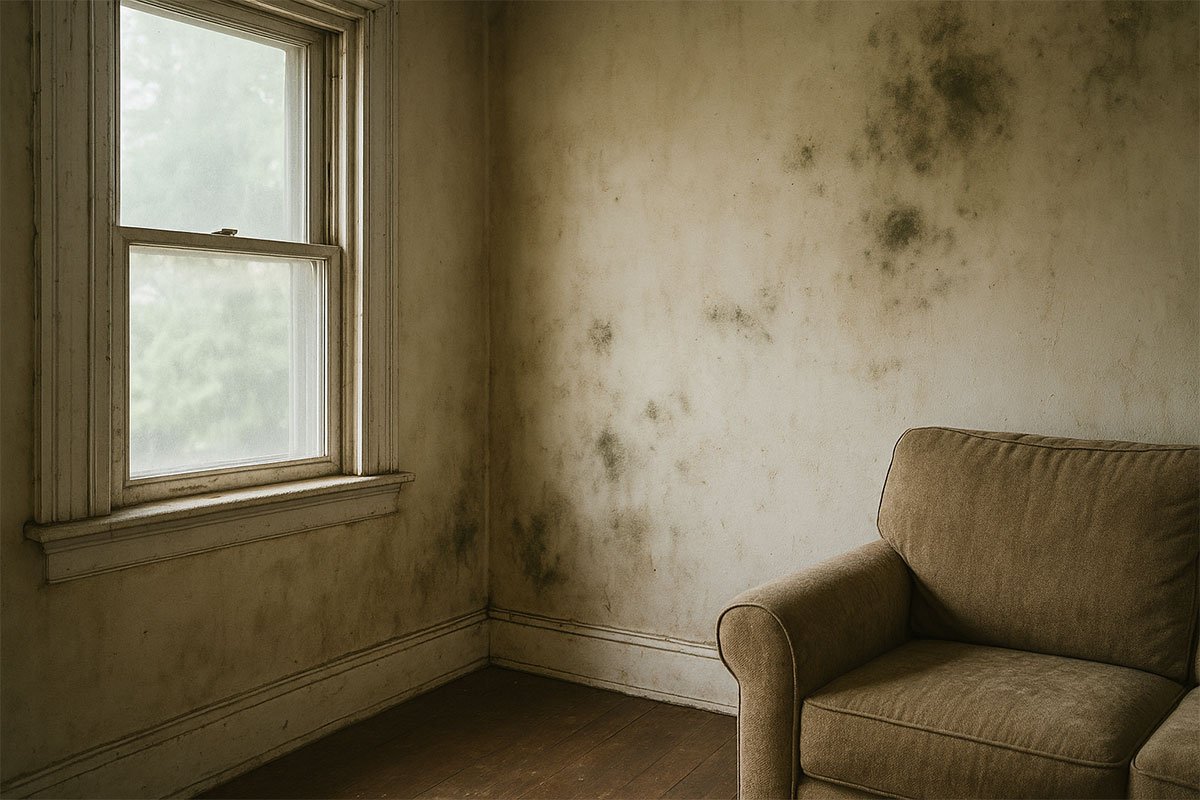
One of the biggest contributors to musty odors is hidden mold—mold growing inside walls, under carpets, behind baseboards, or inside HVAC systems. Even small amounts of hidden mold release significant amounts of mVOCs that drift into living spaces. Because these odors migrate, the room that smells musty is not always the room containing the microbial growth. For instance, a bathroom with a poorly vented shower may cause a bedroom next door to develop musty air.
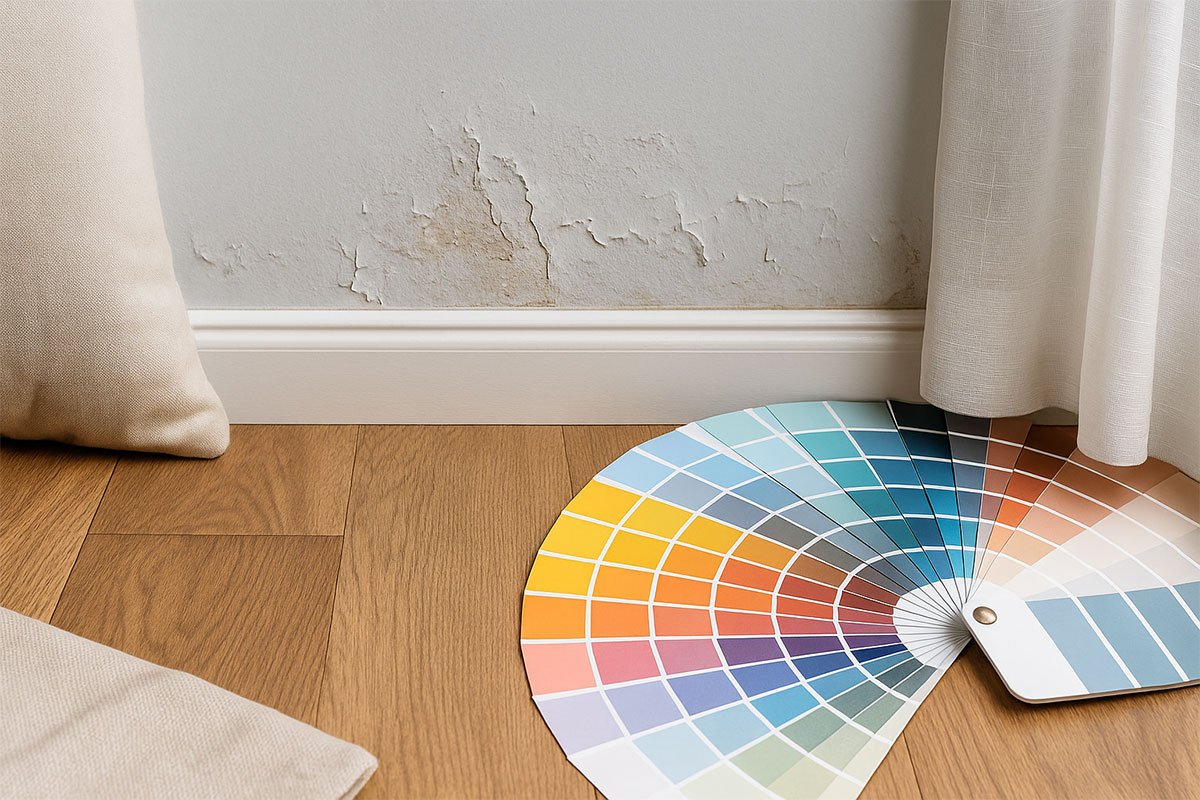
Moisture sources can be subtle. Slow plumbing leaks, sweating pipes, condensation behind furniture, improperly vented dryers, or minor roof leaks can all support microbial activity without producing visible stains. Capillary rise—the movement of moisture upward through building materials—can cause moisture in floors and walls even when no water is present on the surface. These hidden moisture mechanisms are among the most common causes of chronic musty odors.
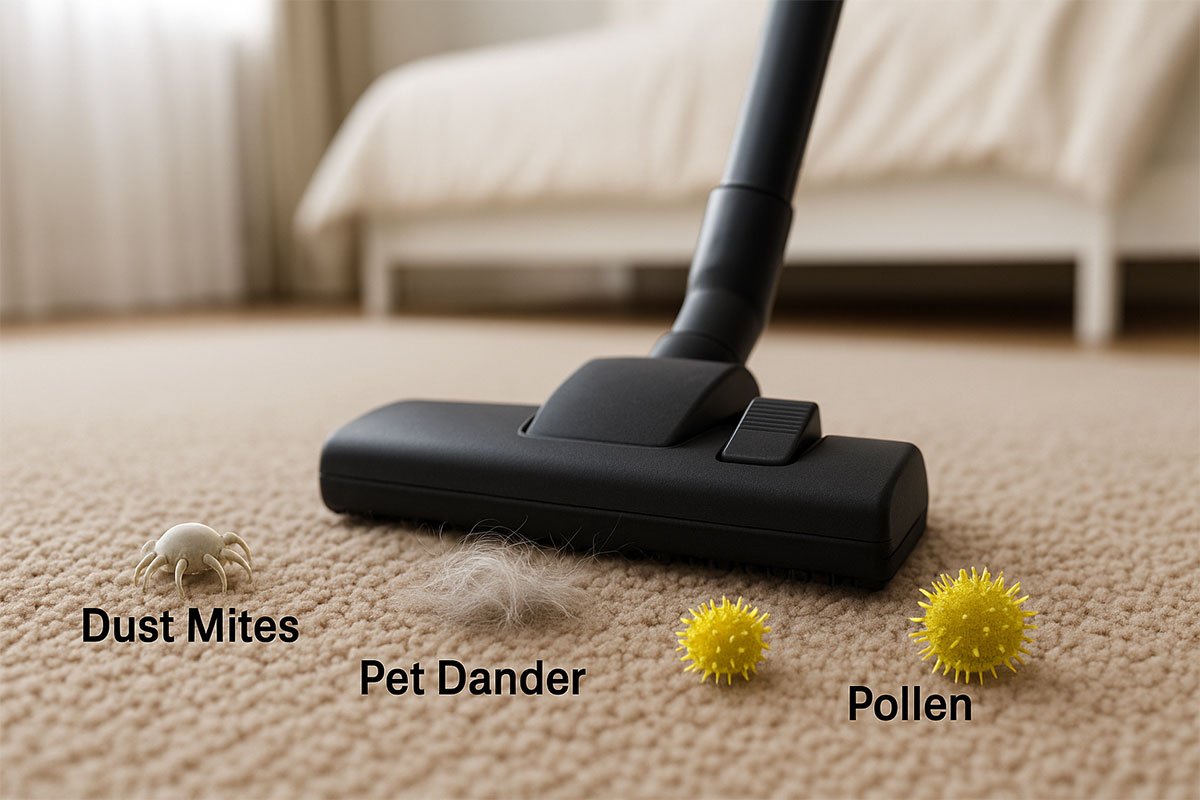
Dust is another surprising factor. Dust is not just dead skin—it contains organic matter, microbes, oils, pollen, pet dander, and microscopic food for mold. In humid rooms, dust binds with moisture and forms a thin film on surfaces that becomes an ideal substrate for microbial growth. This is why musty rooms often feel “dustier” than others.
To address musty odors effectively, homeowners must eliminate the moisture conditions that support microbial activity. The next list provides the most scientifically effective ways to eliminate mustiness and prevent it from returning.
How to Get Rid of Musty Smells (Scientifically Supported Methods)
- Keep indoor humidity between 30–50% using dehumidifiers or HVAC settings
- Use exhaust fans in bathrooms and kitchens during and after moisture-producing activities
- Increase room ventilation, open windows, or use fans to improve airflow
- Run HVAC systems regularly to promote air circulation in rarely used rooms
- Move furniture slightly away from walls to prevent moisture entrapment
- Clean dust thoroughly using HEPA vacuums and microfiber cloths
- Inspect for leaks in plumbing, roofing, or windows
- Use moisture meters to check drywall, wood, and flooring
- Discard moldy cardboard, paper, or old fabrics that trap humidity
- Use an air purifier with a HEPA filter to capture microbial fragments
- Dry damp carpets immediately and consider removing them if odors persist
Bathrooms, kitchens, and laundry rooms require extra attention because they produce moisture daily. Many homeowners underestimate how long steam remains airborne after showering—often more than 30 minutes. Running a bathroom exhaust fan only during the shower is insufficient; fans should run at least 20 minutes after use. Kitchen range hoods help reduce moisture released by boiling water, dishwashing, and cooking. Laundry rooms need proper venting, especially for dryers, which release large amounts of humidity if ducts are clogged or leaking.
HVAC systems influence humidity and airflow throughout the house. If the HVAC system is not running regularly, rooms may become stagnant and humidity may rise. Closed vents, dirty filters, or unbalanced airflow create pockets of still, humid air that encourage microbial odors. In humid climates, air conditioning helps dehumidify the home; in dry climates, heating may dry the air excessively, but condensation can still occur on cold surfaces.
In basements, musty odors are nearly always tied to excessive humidity. Concrete absorbs moisture from the soil, releasing it slowly into the indoor environment. Using a dehumidifier in the basement, sealing foundation cracks, installing vapor barriers, and improving drainage dramatically reduce mustiness. Crawlspaces beneath the home can also introduce musty airflow if not properly sealed and conditioned.
Musty rooms often have another characteristic: lack of sunlight. Sunlight naturally lowers humidity and inhibits mold growth by warming surfaces and increasing air movement. Rooms with poor natural light often experience faster odor development. Regularly opening blinds or using supplemental lighting helps surfaces dry more quickly.
Another hidden cause of musty odors is contaminated fabrics and soft materials. Carpets, curtains, pillows, upholstered furniture, and even bedding can absorb humidity and trap odors. Washing fabric items regularly, vacuuming upholstery, and steam cleaning carpets reduce microbial load in these materials.
The final essential step is identifying whether mold growth is actually present. If a room remains musty even after humidity control and cleaning, it is likely that mold is growing in a hidden area. Removing baseboards, checking behind drywall, inspecting under flooring, and examining HVAC ducts may be necessary. A moisture meter and a borescope camera can help identify concealed mold without destructive inspection.
Ultimately, musty smells are not accidental. They are caused by measurable environmental conditions that support microbial life. By controlling humidity, improving ventilation, cleaning dust, addressing moisture sources, and monitoring airflow, homeowners can eliminate mustiness at its source rather than masking it with fragrances or temporary odor-neutralizing sprays.
With the right environmental strategy, homes remain fresher, drier, and healthier, and microbial odors do not return.
Scientific Sources
- Environmental Protection Agency (EPA) – “Mold, Moisture & Indoor Air Quality”
https://www.epa.gov/mold - Centers for Disease Control and Prevention (CDC) – Dampness & Mold Guidance
https://www.cdc.gov/mold - ASHRAE – Indoor Air Quality, Ventilation & Moisture Control Standards
https://www.ashrae.org