The Science of Moisture, Temperature & Airflow in Homes
Condensation is one of the most common moisture-related problems in homes, yet many homeowners misunderstand why it forms or how to prevent it. While condensation seems simple—water droplets forming on cold windows, walls, pipes, or surfaces—the underlying science involves humidity, air temperature, surface temperature, insulation, ventilation, and even human behavior. Condensation is not merely a cosmetic issue; if left unaddressed, it can contribute to mold growth, wood rot, peeling paint, structural damage, persistent odors, dust mite activity, and increased allergen load.
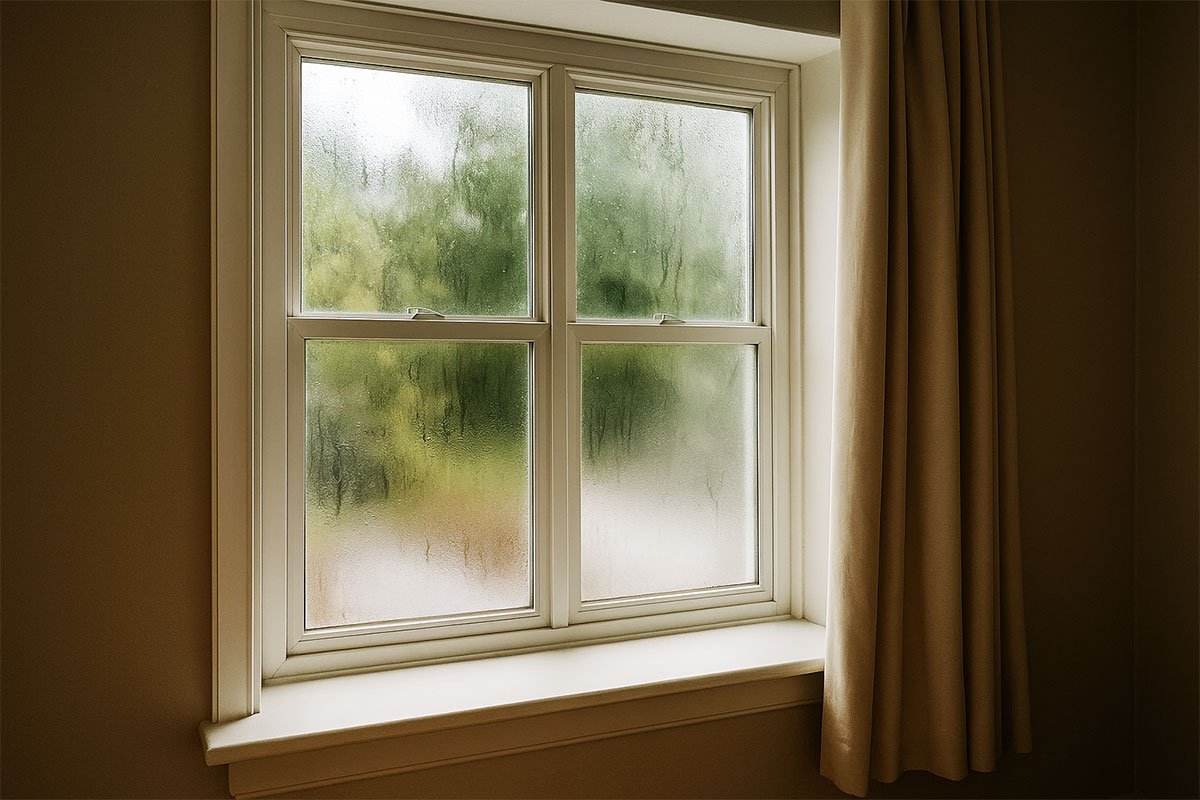
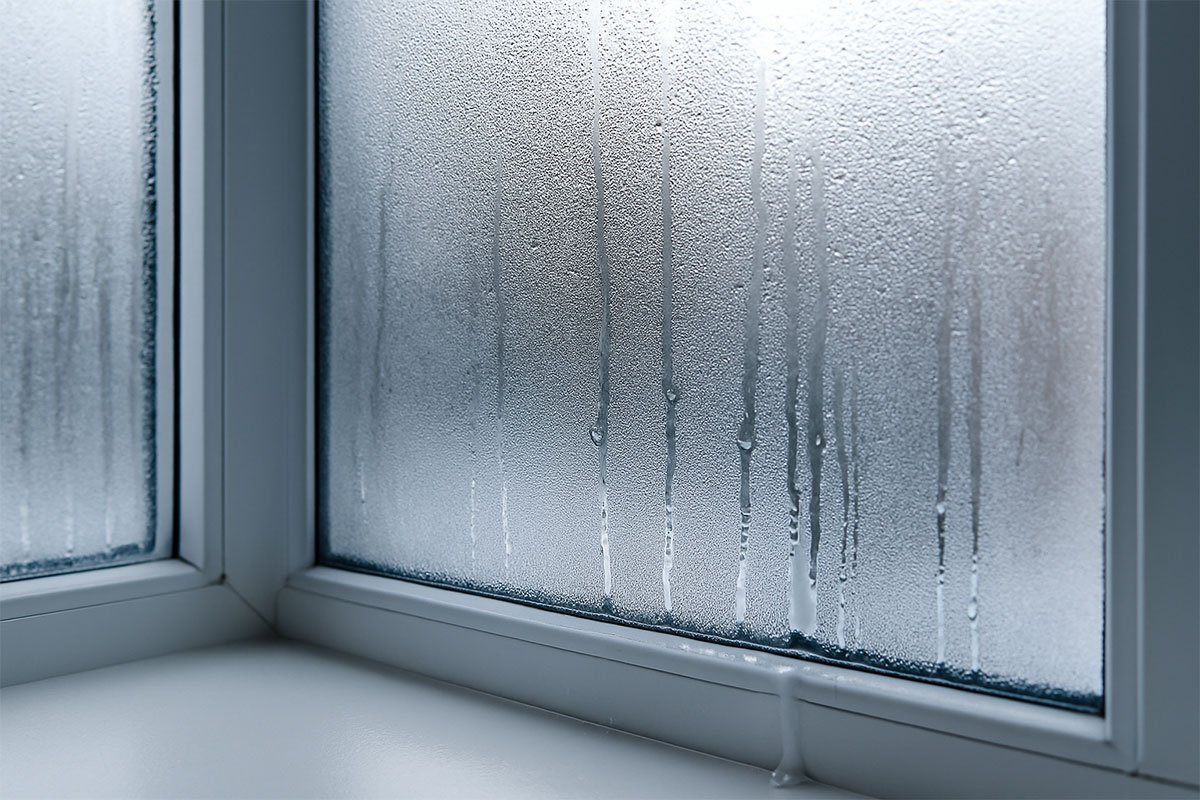
Condensation forms when warm, moist indoor air encounters a surface that is significantly cooler. Because cooler air cannot hold as much moisture as warm air, water vapor transitions from gas to liquid upon contact with a cold surface. This process is driven by the dew point, a measurable temperature at which air becomes fully saturated. When a surface reaches the dew point temperature, moisture condenses onto it. In winter, windows, exterior walls, uninsulated pipes, metal surfaces, and corners of rooms often become dew point zones. In summer, air conditioning coils and supply vents become condensation hotspots because they are colder than the surrounding air.
Humidity plays a critical role. Homes with high humidity—above 50%—are more prone to condensation because the dew point is higher. Everyday activities such as cooking, bathing, drying clothes indoors, and even breathing release surprising amounts of moisture into the air. A family of four can generate 2–3 gallons (8–12 liters) of water vapor per day. If this moisture is not vented out or dehumidified, it accumulates in the air and eventually condenses on cooler surfaces.
Poor insulation also drives condensation. When exterior walls or windows lack proper insulation, their surface temperatures remain low, especially during winter. Cold window glass, metal window frames, tile surfaces, and uninsulated attic knee walls are among the most common places where condensation forms. Similarly, thermal bridging—where heat passes through a conductive path in the building envelope—creates cold patches on interior walls that attract condensation. These cold spots often occur at corners, around window frames, behind furniture, or along concrete surfaces.
Ventilation problems intensify condensation. Modern homes are built tighter for energy efficiency, meaning less fresh air enters the home naturally. While this reduces heating and cooling costs, it also traps moisture indoors. Without proper ventilation—through exhaust fans, mechanical ventilation systems, or controlled air exchange—humidity builds up and condensation becomes inevitable. Rooms such as bathrooms, kitchens, and laundry areas produce the most moisture but often lack sufficient airflow to remove it quickly.
To understand condensation comprehensively, it helps to identify the specific conditions and habits that cause it. The following list summarizes the primary drivers of indoor condensation based on building-science research.
Main Causes of Indoor Condensation
- High indoor humidity from daily activities
- Cold surface temperatures (windows, walls, pipes, HVAC vents)
- Poor insulation or thermal bridging
- Inadequate ventilation or sealed homes without air exchange
- Large temperature differences between indoors and outdoors
- Obstructed airflow, such as furniture placed too close to walls
- Wet basements or crawlspaces adding moisture to indoor air
- Drying laundry indoors without ventilation
- Excessive use of humidifiers
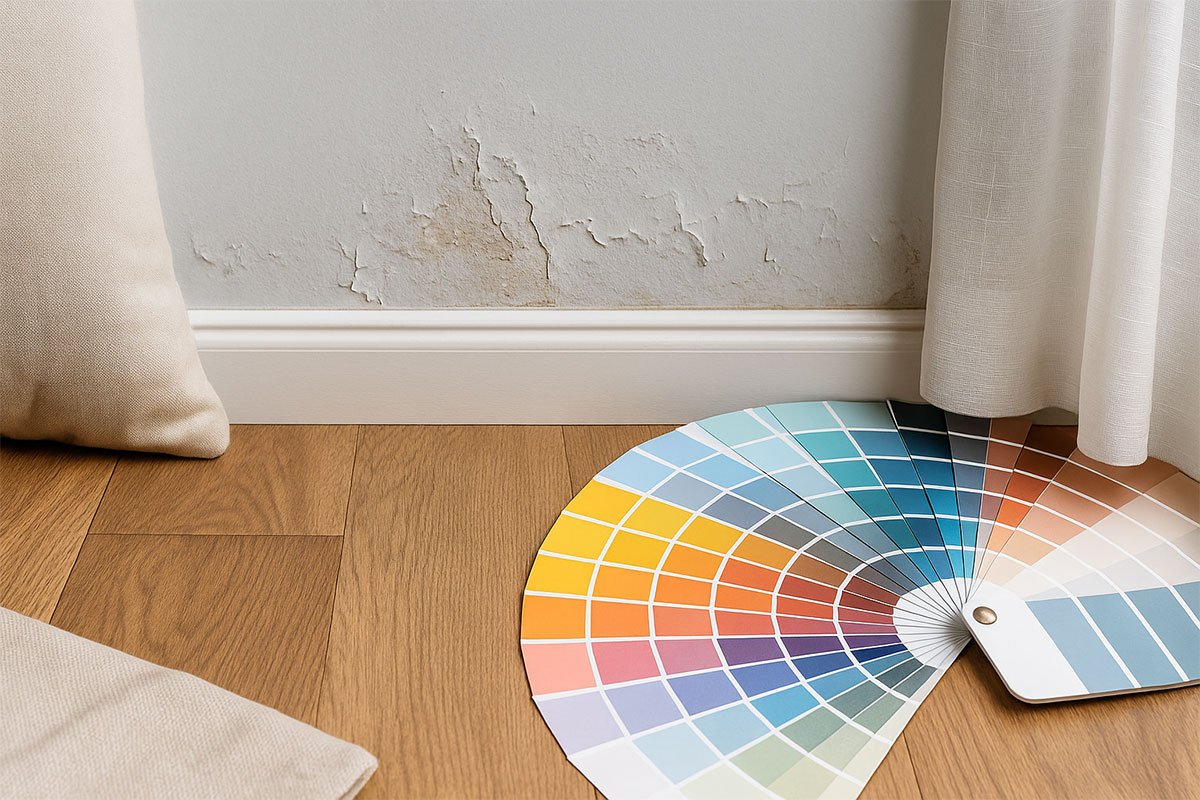
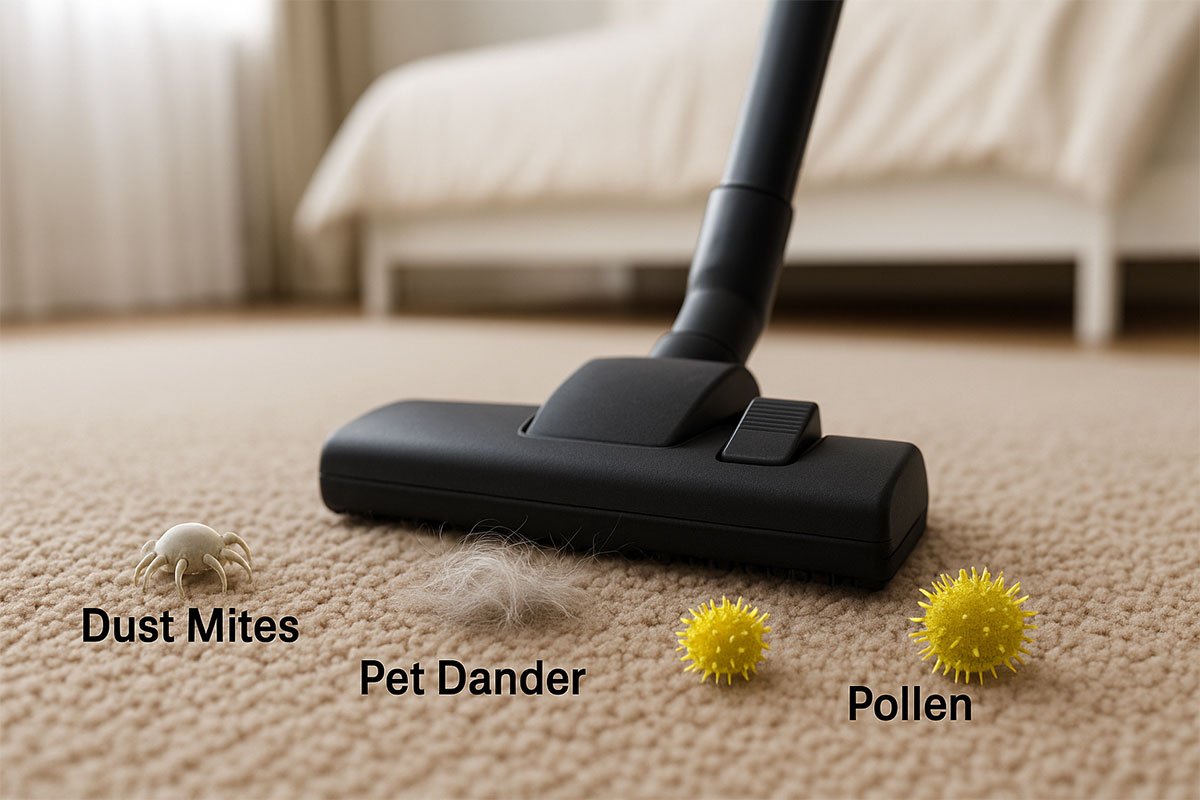
Condensation may appear harmless, but its long-term effects are significant. When moisture repeatedly forms on walls, windows, or surfaces, it creates a micro-environment ideal for mold growth. Mold spores land on damp surfaces and begin feeding on dust, cellulose, and organic materials. Window frames, drywall, wallpaper adhesive, and carpet edges are common victims. Over time, mold produces stains, odors, and allergens that compromise indoor air quality. Dust mites, another major allergen source, thrive in humid conditions created by condensation. Even wooden window sills and trim can warp, rot, or discolor when repeatedly exposed to moisture.
Condensation problems differ by season. In winter, condensation forms on cold windows and exterior walls. In summer, condensation often appears on cold HVAC ducts, supply vents, and air-conditioning equipment. Homes with poorly insulated ductwork in humid climates frequently develop moisture on duct surfaces, sometimes leading to mold inside the ducts or surrounding insulation. In basements, condensation forms when warm, humid summer air contacts cool concrete walls or floors, producing dampness, odors, and mold patches.
Temperature differences play a key role. As warm air rises, upper floors accumulate heat and moisture, while lower floors remain cooler. This temperature gradient often results in condensation in closets, corners, or behind furniture—areas where air circulation is limited. Closets adjacent to exterior walls regularly develop condensation if clothing blocks airflow, trapping moisture.
Preventing condensation requires controlling humidity, improving insulation, enhancing ventilation, and addressing temperature differences. The next list provides scientifically supported strategies for reducing condensation in homes.
How to Reduce Indoor Condensation Effectively
- Maintain indoor humidity between 30–50% year-round
- Use exhaust fans in bathrooms and kitchens for at least 15–20 minutes after use
- Increase ventilation by opening windows or installing mechanical ventilation
- Use a dehumidifier in humid climates or moisture-prone rooms
- Improve insulation on walls, attics, and windows
- Add weatherstripping to reduce drafts and cold spots
- Keep furniture away from walls to allow airflow
- Install double- or triple-pane windows to reduce surface cooling
- Seal leaks in basements or crawlspaces that contribute moisture
- Insulate cold pipes to prevent condensation in summer
- Avoid drying laundry indoors unless ventilation is excellent
- Use storm windows to raise interior glass temperature in older homes
Humidity control is the foundation of condensation prevention. A small digital hygrometer allows homeowners to monitor humidity and adjust accordingly. In winter, humidity often drops too low due to heating systems, so humidifiers are used—but overuse can lead to window condensation and mold growth. In summer, dehumidifiers help balance moisture, especially in basements where humidity levels rise sharply.
Insulation improvements are another powerful tool. Upgrading attic insulation, insulating exterior walls, sealing gaps around windows, and installing insulated windows all raise interior surface temperatures, reducing the chance of reaching the dew point. Thermal curtains and window film help reduce window condensation in older homes.
Ventilation is crucial. Exhaust fans must vent outdoors, not into attics or crawlspaces. A surprising number of homes have improperly vented bathroom fans, causing condensation and mold in hidden spaces. Running range hoods while cooking prevents moisture from building up in kitchens. In very sealed modern homes, installing an ERV (Energy Recovery Ventilator) or HRV (Heat Recovery Ventilator) ensures continuous controlled air exchange without excessive heat loss.
Basements require special attention. Concrete walls naturally stay cool, making them condensation magnets when humid air enters. Running a dehumidifier, insulating foundation walls, sealing cracks, and preventing moisture wicking from the soil all help reduce basement condensation.
Hard-to-detect areas such as closets, cabinets, and behind furniture often face condensation due to restricted airflow. Leaving small gaps between furniture and walls, using louvered closet doors, and ensuring heated air circulates through corners reduces moisture accumulation.
Ultimately, condensation is a sign that indoor moisture is out of balance. When warm humid air consistently reaches cold surfaces, the home is functioning outside optimal humidity and ventilation ranges. Fixing condensation protects not only the home’s structure but also indoor air quality and respiratory health.
Long-term improvement comes from understanding the airflow patterns of the home, controlling humidity through proper equipment, identifying cold surfaces, and taking action before moisture leads to mold or material damage. With proactive management and awareness, homeowners can eliminate condensation problems and maintain a healthier, drier, and more stable indoor environment.
Scientific Sources
- Environmental Protection Agency (EPA) – Moisture & Condensation in Homes
https://www.epa.gov/mold - ASHRAE – Humidity, Ventilation & Thermal Comfort Standards
https://www.ashrae.org - Centers for Disease Control and Prevention (CDC) – Dampness & Mold Guidance
https://www.cdc.gov/mold